
The Effective Means of Treating Kidney Stones
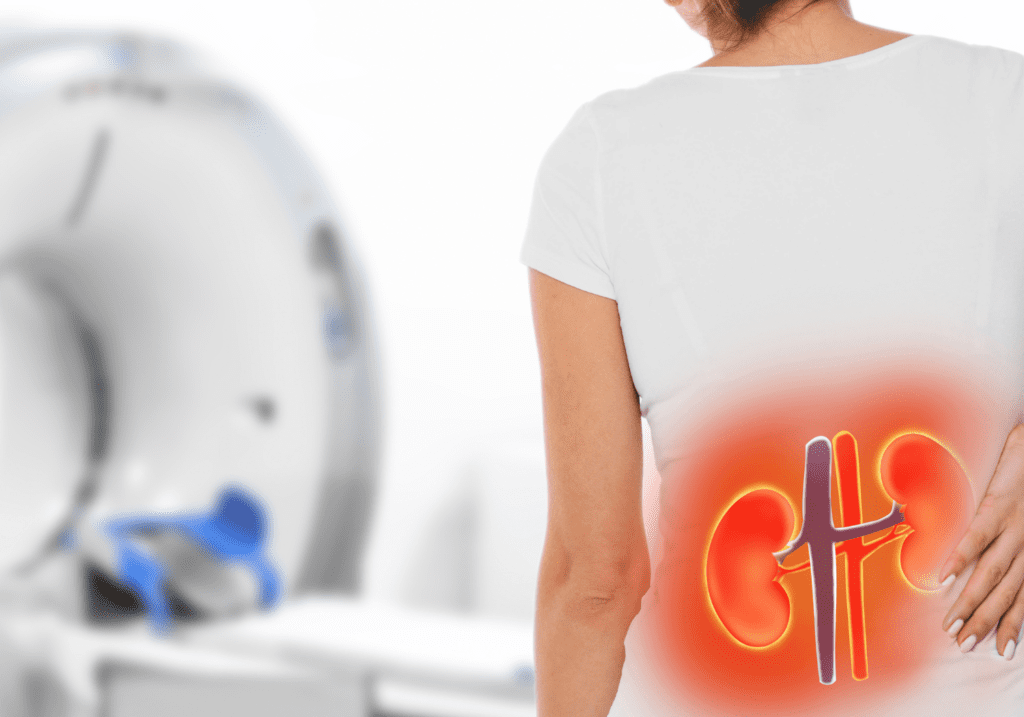
Prevention is crucial in managing kidney stones, as individuals prone to recurring stones should focus on means of treating kidney stones. Regular check-ups with a doctor are essential for preventive care. Investing in routine tests such as sugar, urine, and blood tests significantly enhances preventive measures against various conditions. This proactive approach is not only more cost-effective than dealing with illnesses later but also aids in averting potential kidney stone-related expenses.
Most kidney stones pass through the urinary system easily so drink lots and lots of water and do not mind going to the bathroom to urinate now and then. Oftentimes, people with kidney stones are only told to take lots of fluids and maybe some medication. Although the actual kidney stones are important in assessing the actual status the patient may also be tasked to preserve their kidney stones and submit them for testing. Depending on the diagnosis, the patient’s urine may also have to be analyzed for a whole day. Another day after initial medication or treatments are taken and done will also be set aside for another 24-hour urine analysis.
A lifestyle change is also a very effective treatment. If you are not the type who drinks lots of fluids then it is high time that you learn to drink enough liquids in a day so that you will be able to produce at least 2 quarts of urine. While certain foods are believed to contribute to the formation of kidney stones, moderation is the key.
In the past, foods high in calcium were shunned but recent studies have proven that calcium-high foods including dairy products like milk can prevent the formation of calcium stones. What should be watched out for is the intake of calcium pills, food added with vitamin D, and certain types of antacids that have a calcium base. A person who has a relatively high presence of acid in his urine is also advised to eat less meat, fish, and poultry because eating these will further increase acid in urine.
Some medicines may be prescribed by doctors to somehow control the production of acid and alkali in urine. This is vital because acids or alkalis are key factors in the forming of crystals. Allopurinol can be useful for cases of hyperuricosuria.
Hydrochlorothiazide favors calcium retention hence reducing the amount of calcium released by the kidneys which in turn results in low or no formation of calcium tones. Sodium cellulose phosphate, on the other hand, secretes calcium in the intestines to prevent it from leaking into the urine.

Are Kidney Stones Harmful?
Doctors say that kidney stones are generally not harmful because they normally pass through the body during urination. They only become harmful and even life-threatening when a person suffering from them feels discomforting pain and the presence of blood in their urine.
Usually, a patient with kidney stones may just be advised to stay home and drink lots of water so that eventually the kidney stones are flushed out, however, people suffering from kidney stones always tend to be complacent in keeping up with a healthy diet and regular exercise. They don’t seem to realize that they will suffer and spend more money once the condition worsens.
Today, the most common types of kidney stones among people are calcium oxalate stones and uric acid stones, which are caused by too much calcium and sodium intake. These types of stones are not that harmful unless they increase in size fast and block the ureter, which is the tube that is connected to the bladder. Should this happen urination problems will arise.
Treatment Options Available
Today, there are so many types of treatments and medications available for people with kidney stones, and ninety percent of the time, you don’t even have to go under the knife because your body will be able to expel them, but what happens to the remaining ten percent?
That remaining ten percent requires surgery because the stones that have clogged up your system are too large to pass through your bladder and are still growing bigger. It could also block urine flow, resulting in constant pain, it can damage your kidney tissues or cause you to have UTI or urinary tract infection. The form of treatment varies depending on the severity of the condition
Mild Kidney Stones
Experts say that people who have mild kidney stones can seek medication, which are usually prescribed for certain types.
Medication is considered as the initial form of treatment, especially for symptomatic kidney stones which is common among patients. This is used by people who show early signs of kidney stones such as pain with varying degrees. The most common medication includes Nonsteroidal Antiinflammatory Drugs or NSAIDs like ibuprofen, naproxen, nifedipine, and tamsulosin, which are effective in speeding up the passage of ureteral stones along the ureter. These come in different brands, come in pill form, and can be brought over the counter.
For extreme pains, medication can be through the vein to ensure that it will take effect faster. This process of medication is also ideal for people who have a low tolerance for taking oral pills. If NSAIDs cannot be administered directly, fluids can also be given to the patient suffering from the pain of kidney stones through the mouth to ensure that there will be enough supply of fluid for the urine.
Although medication can be administered at home, there will be times when the patient needs to be brought to the hospital, especially if the pain does not subside immediately. Once hospitalized, the patient will be asked to strain urine to cover the stone and collect it for laboratory analysis. Here, an imaging test will determine the type of stone and its size and number. If your kidney stones are smaller than 5 millimeters, you’re safe to take medication.
If the stone is found to be about 10 millimeters, you will need to undergo surgery.
There are many things to consider before someone with kidney stones should consider surgery. Here are some of the things to observe and take note of.
If the kidney stones seem to be stuck over quite a long period of time and are starting to cause the person pain, then it’s time to seek medical advice. On very bad occasions, ignored kidney stones that are getting bigger may eventually cause kidney tissue damage which is evident in bleeding.
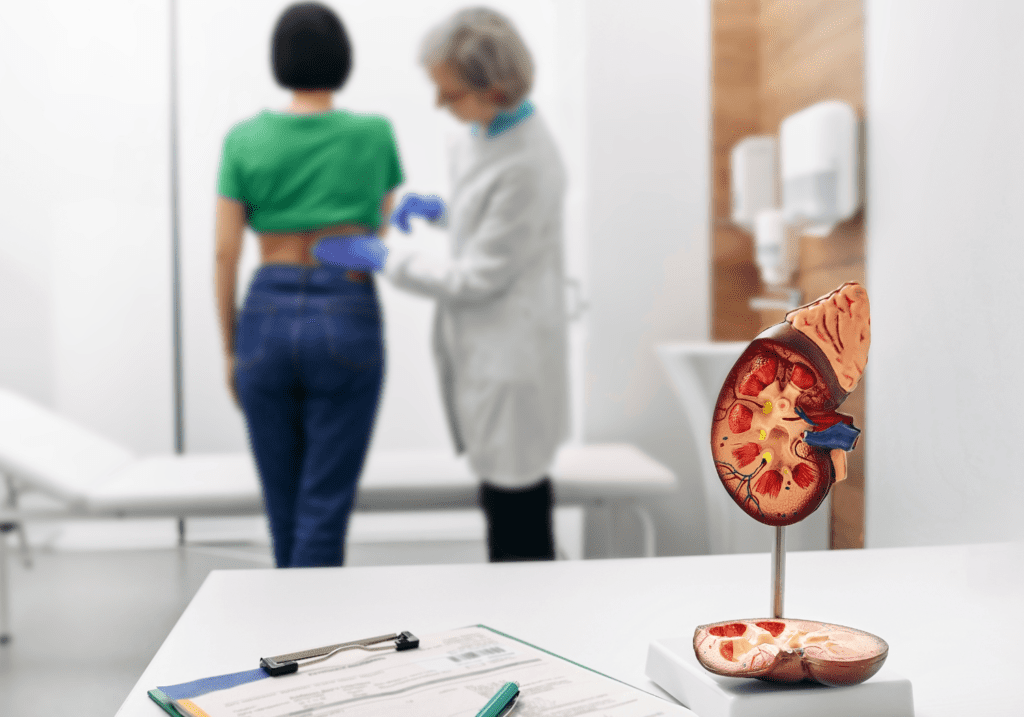
Currently, there are 4 methods to deal with kidney stones and these are explained in more detail below.
1 – ESWL or Extracorporeal Shockwave Lithotripsy
The most popular procedure is Extracorporeal Shock Wave Lithotripsy or ESWL where shock waves that are created outside the body travel into the skin and body tissues until they reach the denser stones. The shock causes the stones to break down into smaller particles so that they can easily pass through the urinary tract.
For this to work, you will be placed in a tub of warm, purified water or onto a machine that acts as a medium for the non-electrical shockwaves to pass through.
This sounds simple but potential risks and complications that may arise should always be discussed with the doctor before agreeing to go through the procedure.
2 – PNL or Percutaneous Nephrolithotomy
This is used when the kidney stone is quite big and ESWL does not work. Here, the doctor will make a small cut on your back to create a tunnel into the kidney. The stone will then be removed using an instrument known as a nephroscope. If the stone is too large, an energy probe will be used. There are two types namely ultrasonic and electrohydraulic.
3 – Ureteroscopic Stone Removal
This is used for removing stones that are obstructed in the middle and lower portion of the person’s urethra. Here, a small fiberoptic instrument goes through the urethra and bladder to reach the ureter. Once inside, the stone is located and removed with a special instrument that emits a shockwave. After surgery, a tube will be left inside the ureter for a few days to help the lining of the ureter heal.
4 – Open Surgery
The doctor will open the affected area and then remove the kidney stone. It is also possible to inject a solution consisting of calcium chloride, cryoprecipitate, thrombin, and indigo carmine into the kidney first to trap the stones in a jelly-like clot so it will be easy to remove using forceps.
Kidney stones can come back even after you have had surgery. Should it happen again, it only means one thing and that is you did not take preventive measures.
These precautions include drinking 6 to 8 glasses of water a day which is about 3 liters as this will make your urine look clear instead of yellow. You should make changes in your diet because too much calcium is bad for your health. Some of the things you should reduce include apples, black pepper, chocolate, coffee, cheese, grapes, ice cream, oranges, tomatoes, and yogurt.
Reductions should also be made in fish, meat, or poultry products because this increases uric acid. If you drink alcohol often, cut it down since there is no harm if this is taken in moderation.
Now we all know that it is impossible to eat the same things every day to maintain a balanced diet. What you can do however is take supplements.
The best way to treat kidney stones is prevention. It will also save money since you have to pay for the doctor, the medication, and the fees that are done to make the correct diagnosis.