

How Can Kidney Stones Affect Your Life?

Unknown to many people, can kidney stones affect your life, are the most common complications involving the kidney, ureter, and bladder. Often underestimated is the crucial role kidneys play in the body’s function. Acting as the ultimate “filter” for blood, kidneys efficiently remove waste products and regulate essential chemicals for proper bodily function. Understanding how can kidney stones affect your life highlights the significance of kidney health in maintaining overall well-being.
Today, more and more people—because of unhealthy diets laid back living, and minimal physical movements—suffer from kidney stones and they have yet to realize how it can affect their overall health. Many experts agree that any person has a great chance of encountering kidney stones in one point of his or her life.
But, with early diagnosis, a healthy lifestyle, a diet to prevent the condition, and regular exercise, one can recover from it. However, recovering might be easy but if people would not religiously follow the keys to avoiding kidney stones, chances are, they will have it again probably in the next 10 or 15 years of his or her life.
What you need to know
Many people tend to neglect kidney stones because they think that they can easily recover from it with all the medications and medical procedures available today. One thing that they don’t realize is that if they continue to have their kidney stones unchecked or undiagnosed, they are more prone to develop related diseases which will make their health conditions more complicated.
To avoid further complications when it comes to kidney stones, it is best that you arm yourself with all the knowledge that you can get—especially if you think that you are prone to the condition.
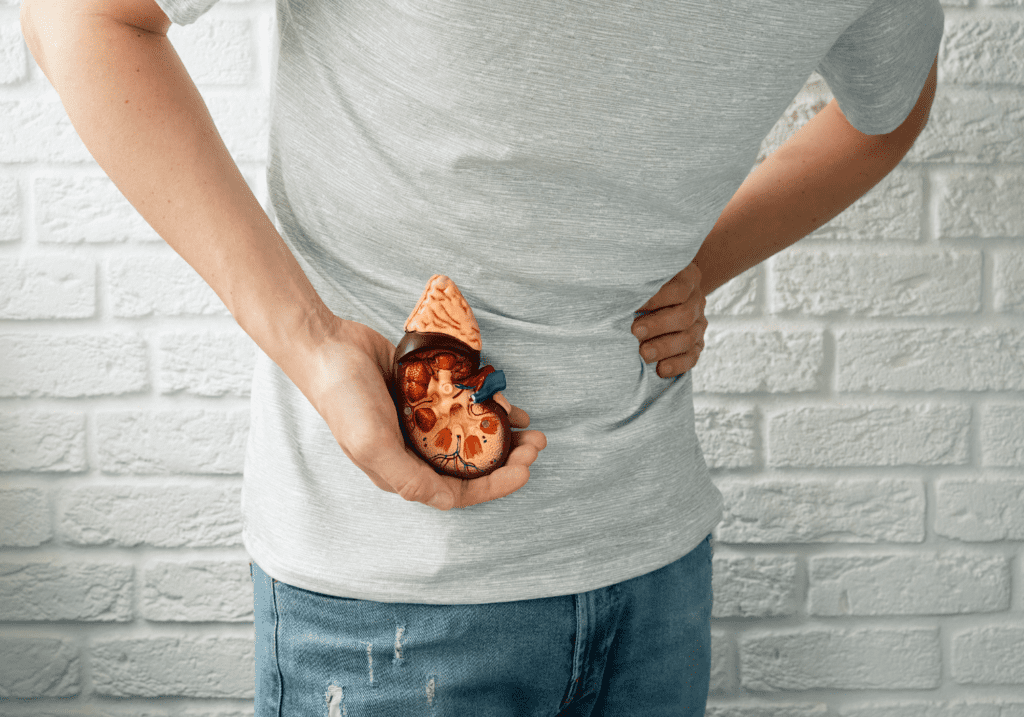
The first thing that you need to know about kidney stones is what it really is. Kidney stones are made up of minerals and other excess substances in the body. It is the product when these substances and minerals are formed in the person’s urine. The process of developing kidney stones involves the crystallization of minerals and other related substances that form “lumps”’ which can be as hard as a real stone.
Experts say that people who have kidney stones don’t have to worry so much about their size but should focus more on where it is located. The location of the kidney stones matters that much because it can cause the kidney and other related organs not to function very well.
Doctors agree that kidney stones that sit in the kidney itself are not much of a problem. But if it’s located in the ureter—the tube that connects to the bladder—it is a very big problem. This is because the stone—regardless of its size—can block the path where the urine should pass. When this happens, it will cause the person a great deal of pain because it will stretch the kidney so much.
Another thing that you should also pay attention to is the possible causes of the condition. Experts say that there are a number of factors that may cause the development of kidney stones.
These factors may include Urinary Tract Infections (UTI) that the person has developed, kidney failure, diseases that may have been inherited that involve the kidney, foods that contain high levels of calcium, sodium, oxalates, and others, as well as a lack of regular movement or exercise.