Juice Fasting for Weight Loss Benefits and Risks: What You Need to Know Before You Start
Juice fasting has become a popular approach for those looking to reset their eating habits and lose weight quickly, but there’s more to it than just drinking fruit and vegetable blends. Understanding the juice fasting for weight loss benefits and risks is essential before deciding if this method is right for you. While some people experience short-term results and increased nutrient intake, others may face challenges like energy crashes, nutrient gaps, and difficulty maintaining long-term weight loss. Taking a closer look at both sides can help you make a more informed and realistic decision.
Juice Fasting for Weight Loss
Traditionally, juice diets have been used for detoxification purposes. The principles behind this are straightforward and do make sense, but are only designed for a short period of 2–3 days maximum (often called a juice fast).
By only consuming fresh juices for a period of time you naturally abstain from fats, processed carbohydrates and refined sugars as well as substances like coffee and alcohol.
As a result, this is extremely beneficial for cleansing the liver and kidneys and their related systems, including the whole digestive tract. It is believed too that by giving the digestive system a “rest” from fiber; digestion is easier, and nutrients are able to be absorbed more efficiently.
Recently, many bold claims have been made about prolonged juice fasting, such as disease fighting, free radical destroying, fat burning and pain alleviating results. However, many of these claims are as yet to be supported by any reliable research.
Juice Fasting Is Not a Long-Term Solution to Weight Loss
Juice fasting exclusively as a weight loss measure is a short-term solution for a long-term problem that can, in some situations, result in unwanted complications.
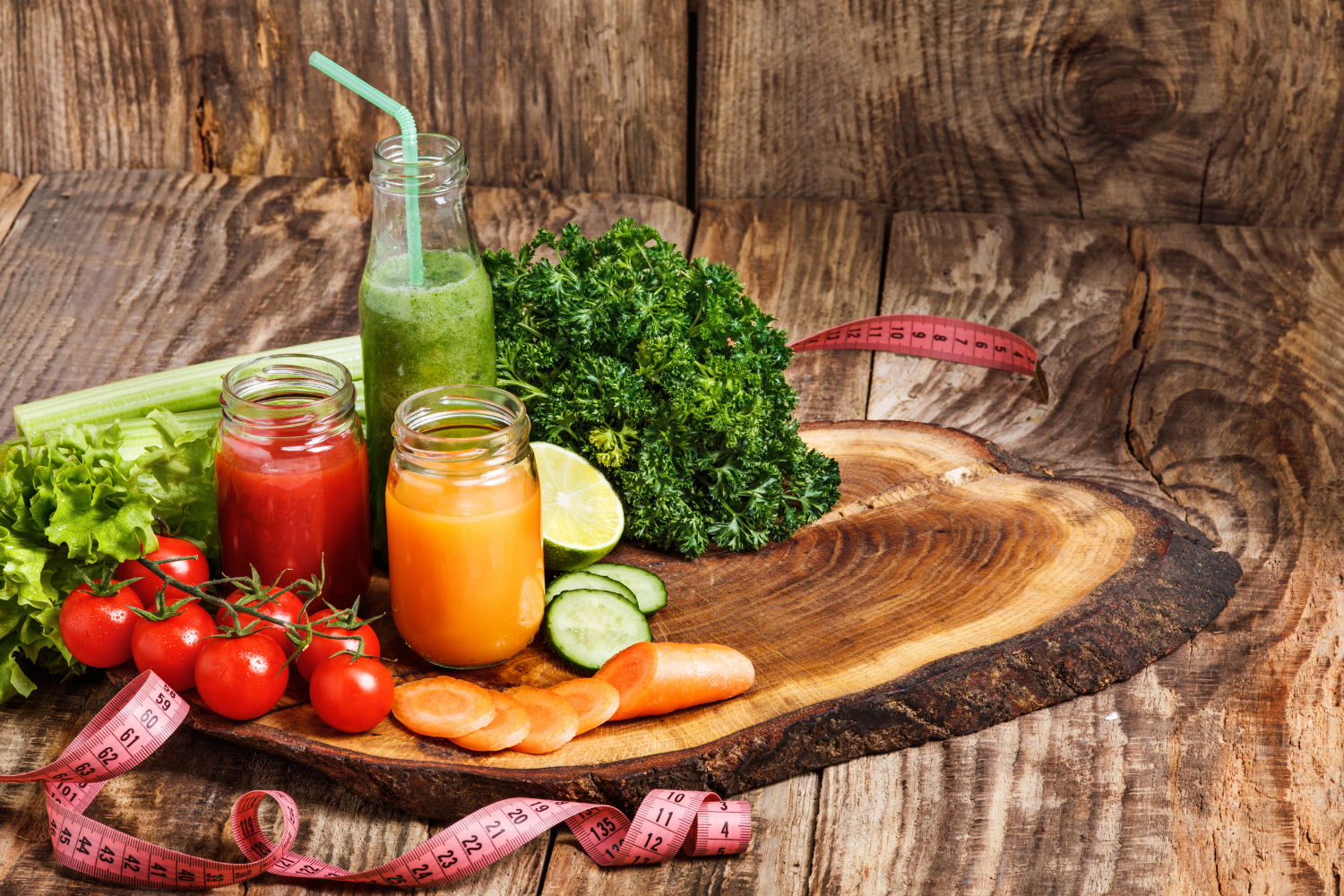
The term “juicing” pretty much means drinking your food, primarily fruits, vegetables and herbs. Incorporated into a healthy diet, juicing is a great way to boost energy levels and consume extra nutrients. A popular favorite is beetroot, celery, carrot, apple, ginger and mint; perfect for a morning pick-me-up.
Weight will certainly be lost when juicing, however it is not guaranteed that any actual fat will be burned. Instead, you even risk losing muscle mass due to the absence of protein in the diet. You also run the risk of slowing your metabolism, meaning when you resume a normal diet, less energy will be burned and potentially more fat will be stored immediately following the juice fasting period.
These problems may be reduced by consuming juice more frequently (every 2–3 hours) and balancing your juices by adding protein, either in the form of powder supplements or natural sources such as almond milk or Greek yogurt.
High-Carb and High-Calorie
Juices can also be surprisingly calorie-dense, especially when predominantly fruit. This is due to their high carbohydrate content. The actual process of juicing fruit and vegetables can also remove some of their natural benefits. Of particular concern is the absence of fiber.
Once the physical bulk, largely fiber, is removed, the remaining sugars form a much larger percentage of what remains. This can lead to quick spikes in blood sugar followed by energy crashes, which may increase cravings and make it harder to maintain control over your eating habits once the fast ends.
The Psychological Side of Juice Fasting
One area often overlooked is the mental and emotional impact of juice fasting.
For many people, committing to a short juice fast can create a sense of discipline and control. It can act as a reset button, helping break unhealthy eating habits like late-night snacking, sugar cravings, or emotional eating.
However, the opposite can also happen.
Strict restriction can lead to feelings of deprivation. This often results in binge eating once the fast ends, undoing any progress made. For some, it reinforces an unhealthy “all or nothing” mindset toward food, where periods of extreme restriction are followed by overeating.
If your goal is long-term weight loss, building consistent, sustainable habits will always outperform short bursts of extreme dieting.
Nutrient Gaps You Should Be Aware Of
While juices are rich in vitamins and antioxidants, they are not nutritionally complete.
A juice-only approach lacks several key nutrients your body needs daily:
- Protein, which supports muscle maintenance and metabolism
- Healthy fats, essential for hormone balance and brain function
- Fiber, which supports digestion and gut health
- Certain minerals like iron and zinc, depending on your juice choices
Over a few days, this may not be a major issue for healthy individuals. But extending a juice fast beyond a short period increases the risk of fatigue, weakness, dizziness, and reduced mental focus.
The Role of Juice Fasting in a Healthy Lifestyle
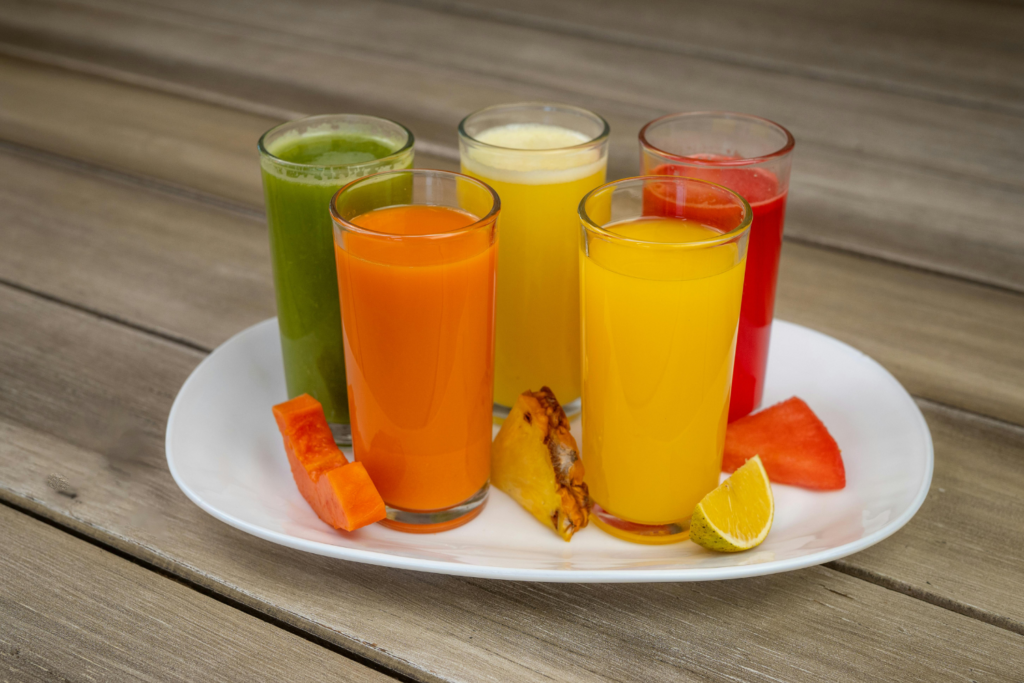
Instead of viewing juice fasting as a weight loss strategy, it is more useful to see it as a temporary tool.
Used correctly, it can:
- Help you increase your intake of fruits and vegetables
- Support hydration
- Encourage awareness of what you consume daily
- Act as a short-term reset after periods of overindulgence
However, it should never replace a balanced diet that includes whole foods.
A more effective long-term approach is to incorporate fresh juices alongside regular meals. For example, replacing sugary drinks with vegetable-based juices or adding a nutrient-dense juice to your breakfast routine.
Smarter Ways to Use Juicing for Weight Loss
If your goal is weight loss, there are more sustainable ways to include juicing without relying on extreme fasting:
1. Use juice as a supplement, not a replacement
Add one fresh juice per day instead of replacing all meals.
2. Focus on vegetables over fruit
Vegetable-based juices are lower in sugar and more balanced for blood sugar control.
3. Keep the fiber when possible
Blending (smoothies) instead of juicing retains fiber, which helps you stay full longer.
4. Pair juices with protein
This helps stabilize energy levels and reduces muscle loss.
5. Stay physically active
Light exercise like walking or stretching can support circulation and energy levels during short juice fasts.
Who Should Avoid Juice Fasting
Juice fasting is not suitable for everyone.
It should be avoided or approached with caution by:
- People with diabetes or blood sugar regulation issues
- Those with heart conditions
- Pregnant or breastfeeding women
- Individuals with a history of eating disorders
- Anyone on medication that requires food intake
Even for healthy individuals, it is always wise to consult a healthcare professional before starting any restrictive diet.
Practical Tips for a Safer Juice Fast
If you do decide to try a short juice fast, doing it properly makes a big difference:
- Start by reducing caffeine, sugar, and processed foods a few days before
- Drink plenty of water alongside your juices
- Use a variety of vegetables to improve nutrient diversity
- Avoid relying too heavily on fruit juices
- Listen to your body and stop if you feel unwell
Also, how you end a juice fast matters just as much as how you start it. Gradually reintroduce solid foods with light meals such as fruits, vegetables, and soups before returning to a normal diet.
Long-Term Weight Maintenance Matters More
Initial dramatic weight loss may indeed occur during a juice fast, but much of this is water weight and glycogen depletion rather than true fat loss.
The real challenge is what happens after.
Without a structured plan to return to balanced eating, it is very easy to regain the weight quickly, sometimes even exceeding your starting point.
Sustainable weight loss comes down to:
- Consistent calorie balance
- Adequate protein intake
- Regular physical activity
- Healthy daily habits
These are not as exciting as quick fixes, but they are what actually work.
A Balanced Perspective
If viewed as a short-term revitalizing and cleansing fast, juicing can be an extremely positive part of a healthy lifestyle, especially when combined with a balanced diet and regular physical exercise.
As a long-term weight loss solution, however, it is a fad diet that cannot and should not be sustained for long periods.
If you do decide to try a juice fast, you should consult your healthcare professional first and discuss any individual potential risks. Always include a wide selection of fruits and vegetables, washed thoroughly before use. Where possible, choose organic produce to reduce exposure to pesticides, herbicides and fertilizers, particularly in leafy greens.
In the end, juice fasting is not a magic solution. It is simply a tool. How you use it determines whether it helps or harms your long-term health and weight goals.