Macrobiotic Diet Benefits and Risks: What You Need to Know Before You Start
If you’re looking for a more natural and balanced approach to health, understanding the macrobiotic diet benefits and risks is a smart place to start. This way of eating goes beyond simple food choices and focuses on creating harmony between your body, lifestyle, and environment. While many people are drawn to its emphasis on whole, natural foods and long-term wellness, it’s just as important to be aware of its potential drawbacks. By exploring both sides, you can decide whether this approach aligns with your personal health goals and daily life.
Macrobiotic Diet
Macrobiotics refers to the science of longevity and health. It is based on the view that each person is largely influenced by their environment and social interactions, as well as the geography and climate of the place they live in.
This philosophy goes beyond food. It looks at the relationship between the body, the mind, and the natural world. Instead of treating symptoms in isolation, macrobiotics encourages a broader view of health, where balance is the main goal.
Macrobiotics views illnesses as the body’s attempt to return to a more dynamic and harmonious state with nature. It highly stresses the importance of a healthy diet as one of the major factors that affect a person’s health and well-being.
A macrobiotic diet not only refers to a daily eating plan, but it also embraces the importance of living with healthy lifestyle habits for the long term. It is not meant to be a quick fix. Instead, it promotes gradual and sustainable changes that align with natural rhythms.
The Philosophy Behind the Macrobiotic Diet
One of the key ideas in macrobiotics is balance. This is often described using the concept of yin and yang. These are opposing but complementary forces found in everything, including food.
- Yin foods are generally cooling, expansive, and light (such as fruits and leafy vegetables)
- Yang foods are warming, dense, and grounding (such as grains and root vegetables)
A macrobiotic diet aims to create balance between these forces. Too much of one type may lead to imbalance in the body. By adjusting food choices, people aim to restore equilibrium.
For a self-help audience, this idea connects strongly with awareness and intentional living. Instead of eating on autopilot, the macrobiotic approach encourages mindful decisions based on how food makes you feel physically and emotionally.
What Foods Are Included in a Macrobiotic Diet?
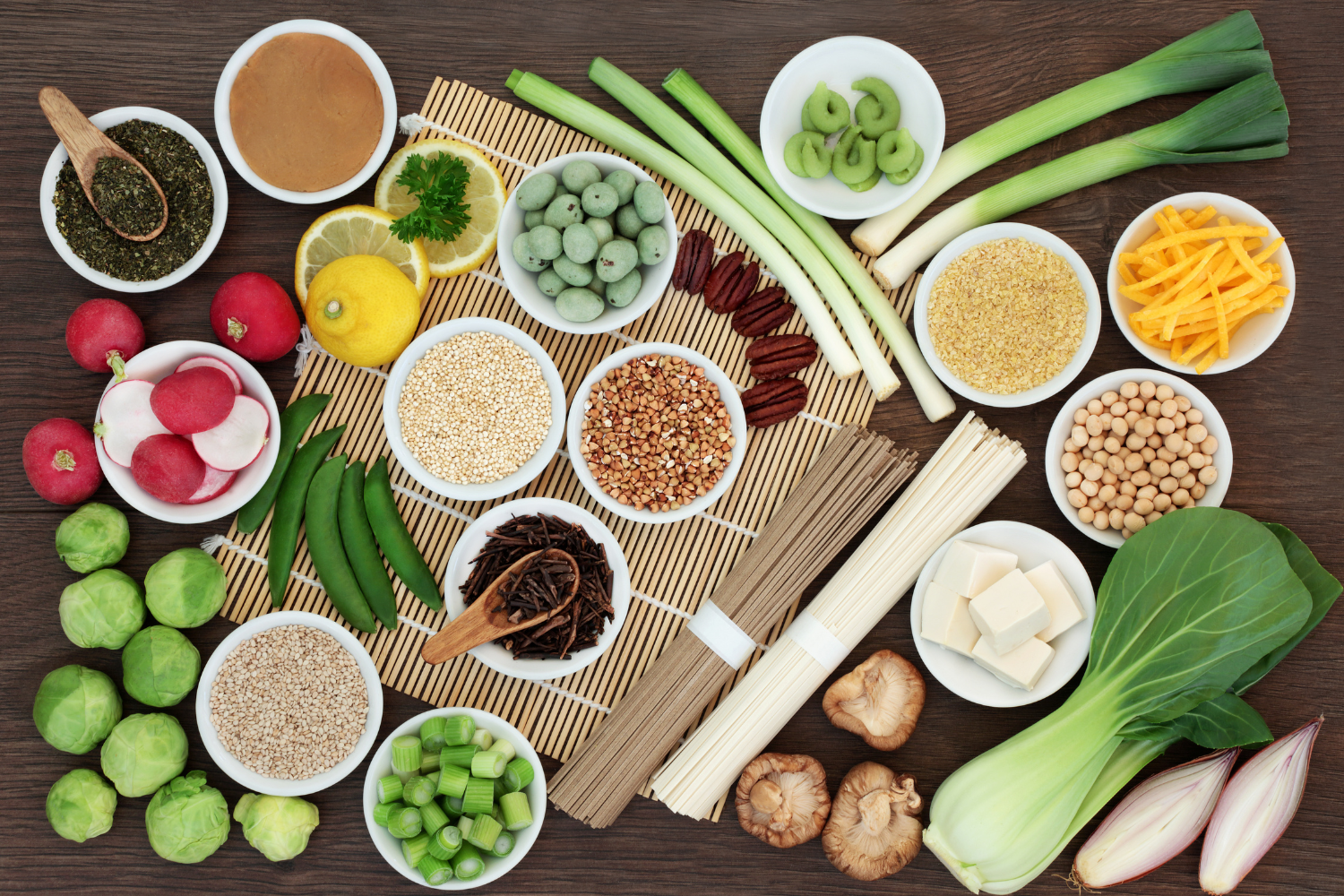
A macrobiotic diet prioritizes locally grown foods that are prepared in a natural way. There is a strong focus on simplicity and seasonality. Foods are chosen based on what is available in your environment rather than relying heavily on imported or artificial products.
Undertaking a macrobiotic diet also means taking extra care in the way foods are prepared and cooked. There is a strong emphasis on eating foods that are baked, boiled, and steamed, while minimizing fried and heavily processed foods.
The core components typically include:
- Whole grains such as brown rice, barley, millet, and oats
- Fresh vegetables, especially leafy greens and root vegetables
- Fermented soy products like miso, tempeh, and tofu
- Beans and legumes
- Sea vegetables such as nori and wakame
- Nuts and seeds
- Seasonal fruits in moderate amounts
- Fish and seafood (occasionally, depending on the variation followed)
- Soups, especially miso-based soups
Other natural food products can also be incorporated into the diet. Herbal teas and naturally prepared broths are often included as part of daily meals.
The composition of a macrobiotic diet can be adjusted to suit an individual’s needs, taking into account their health condition, activity level, and personal preferences. This flexibility allows people to adapt the diet without feeling overly restricted.
People who follow a macrobiotic diet are also encouraged to eat slowly and chew their food thoroughly. This simple habit improves digestion and helps develop a stronger connection with hunger and fullness signals.
What Foods Are NOT Included in a Macrobiotic Diet?
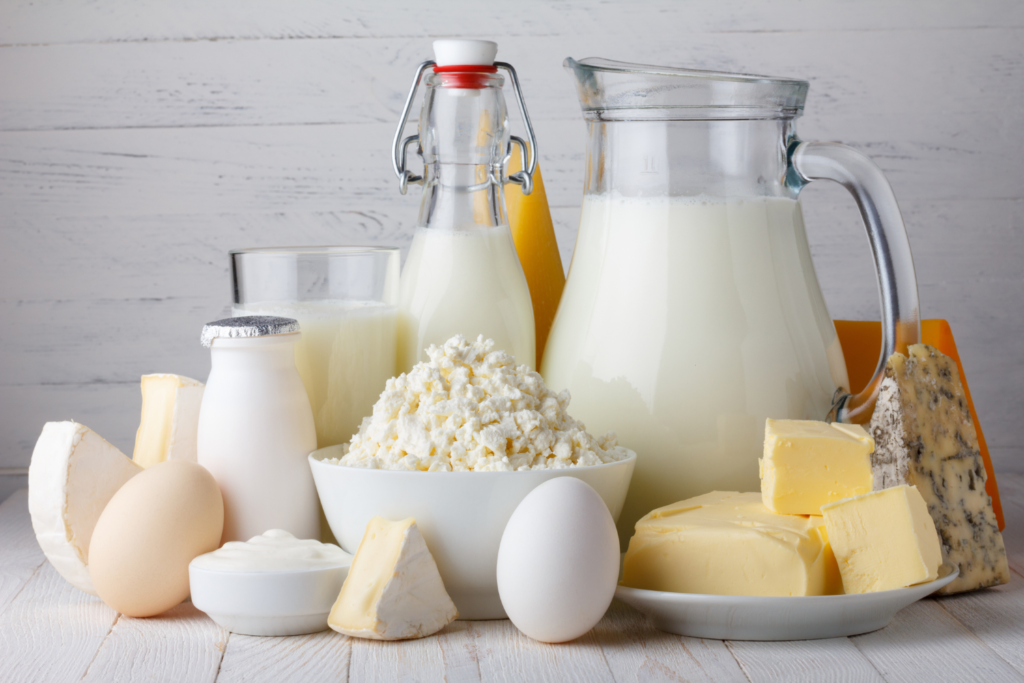
Since a macrobiotic diet strongly recommends eating foods in their most natural state, processed foods should be avoided as much as possible.
Common foods that are limited or excluded include:
- Refined sugar and artificial sweeteners
- Dairy products
- Red meat and fatty meats
- Poultry (in stricter versions)
- Caffeine and alcohol
- Refined flour products such as white bread and pastries
- Highly processed snacks and fast food
- Certain vegetables like zucchini and potatoes (depending on interpretation)
Macrobiotics aims to achieve balance in every aspect of life. Foods that are overly stimulating, chemically altered, or heavily processed are believed to disrupt this balance.
From a practical perspective, this also encourages cleaner eating habits. By removing ultra-processed foods, many people naturally reduce excess sugar, unhealthy fats, and additives.
Lifestyle Habits in a Macrobiotic Approach
A macrobiotic lifestyle goes beyond what is on your plate. It includes daily habits that support physical and mental well-being.
Some key practices include:
- Eating in a calm and relaxed environment
- Practicing gratitude before meals
- Staying physically active through natural movement like walking
- Spending time outdoors
- Reducing stress through mindfulness or simple breathing exercises
- Maintaining regular meal times
These habits reinforce the idea that health is not just about food choices, but also about how you live your daily life.
For people interested in self-development, this approach aligns well with building discipline, awareness, and consistency.
Potential Health Benefits of a Macrobiotic Diet
Some studies suggest that following a macrobiotic diet may offer several health benefits.
These include:
- Lower blood pressure
- Reduced cholesterol and triglyceride levels
- Improved digestion
- Better weight management
- Increased energy levels
Because the diet is rich in fiber, vitamins, and minerals, it supports overall metabolic health. The emphasis on whole foods and plant-based nutrition also contributes to improved gut health.
Some experts suggest that this type of diet may help reduce the risk of cardiovascular diseases. The low intake of saturated fats and processed foods plays a major role in this.
There is also interest in the macrobiotic diet as part of cancer prevention strategies. However, evidence in this area remains limited and sometimes conflicting.
Concerns and Criticisms
Despite its benefits, the macrobiotic diet is not without criticism.
One of the main concerns is the risk of nutritional deficiencies. Strict versions of the diet may lack:
- Vitamin B12
- Calcium
- Vitamin D
- Iron (especially in certain populations)
This is particularly important for children, pregnant women, and individuals with higher nutritional needs.
Some experts also question the restrictive nature of the diet. Eliminating entire food groups without proper planning can lead to imbalances if not managed carefully.
In addition, while there are anecdotal reports of people experiencing improvements in serious illnesses, there is limited scientific evidence to fully support these claims. It is important to approach such claims with caution.
Is the Macrobiotic Diet Sustainable Long-Term?
One of the strengths of the macrobiotic diet is its focus on long-term lifestyle change rather than short-term results.
However, sustainability depends on how it is practiced.
A balanced and flexible approach is more likely to be sustainable than a strict and rigid version. Adapting the principles to fit your lifestyle, culture, and nutritional needs is key.
For example:
- Including a wider variety of vegetables and plant proteins
- Ensuring proper nutrient intake through careful planning
- Allowing occasional flexibility to avoid feeling restricted
When approached in a practical way, the macrobiotic diet can become a foundation for healthier living rather than a strict set of rules.
Practical Tips for Getting Started
If you are interested in trying a macrobiotic diet, it is best to start gradually.
Here are some simple steps:
- Begin by replacing refined grains with whole grains
- Add more vegetables to your daily meals
- Reduce processed and packaged foods
- Practice mindful eating by slowing down during meals
- Experiment with simple cooking methods like steaming and boiling
- Pay attention to how different foods affect your body
Making small, consistent changes is more effective than trying to overhaul your entire diet overnight.
A Balanced Perspective
The macrobiotic diet promotes many positive habits such as eating whole foods, reducing processed ingredients, and being more mindful about daily choices.
At the same time, it is important to avoid extremes. No single diet is perfect for everyone. Individual needs, preferences, and health conditions should always be considered.
The most valuable takeaway from macrobiotics may not be the specific food rules, but the mindset it encourages. Being aware of what you eat, how you live, and how these choices affect your overall well-being can lead to lasting improvements in health.
By focusing on balance, simplicity, and consistency, the macrobiotic diet offers a thoughtful approach to building a healthier lifestyle over time.