

Herbs and Vitamins for Healthy Teeth: Natural Ways to Strengthen Your Smile and Prevent Decay
If you’ve been focusing only on brushing and flossing, you might be missing a bigger piece of the puzzle. Herbs and vitamins for healthy teeth play a critical role in strengthening enamel, preventing decay, and supporting overall oral health from within. In today’s world of processed foods and nutrient-depleted soil, many people are not getting the minerals their teeth need to stay strong. The good news is that by understanding how specific nutrients and natural remedies work, you can take a more proactive approach to protecting your smile and improving your long-term dental health.
Herbs and Vitamins for Healthy Teeth
Our modern diet has caused many of us to become deficient in certain minerals and our dental health can become adversely affected. Cavities in children and people of all ages are being linked to nutritional deficiencies.
Most of us take for granted that we are getting enough of the needed minerals in our diet. That assumes that everyone knows the importance of minerals for our health and wellbeing.
Much of our farmed soil has become depleted and the majority of people cannot afford a completely organic diet. Combined with dietary choices based on taste rather than health, it is easy to see how these nutritional deficiencies can occur.
Phytic Acid Locks Up Essential Minerals
Phytic acid is a substance commonly found in most grains, nuts and beans. It has the ability to bind to minerals in your body, just like a magnet. This process removes the minerals before they get a chance to be absorbed and deposited where we need them most.
If your family’s diet consists largely of grains (crackers, cereals, breads, pastas, rice, bagels, cookies, cakes) or bean salad or raw nuts and nut butters, chances are you are getting copious amounts of phytic acid in your diet and not enough minerals for your teeth and bones to grow and remain strong.
In addition to reducing intake of these food types, there are food preparation methods, such as soaking your beans and nuts overnight that can help remove some of the phytic acid before it is consumed.
Supplementation
Keeping the immune system strong with antimicrobials can help fight off decay and prevent infection or abscesses from setting in. Popular antimicrobials include licorice, myrrh, goldenseal and echinacea. Including garlic in your diet wherever possible is beneficial for boosting your immune system and preventing infections.
Calcium
Our dental enamel is approximately 90 percent calcium phosphate.
Calcium Rich Herb Sources
- Shepard’s Purse, Clivers, Coltsfoot, Horsetail, Toadflax, Mistletoe, Dandelion, Plantain, Pimpernel and Chamomile
- Include these in your diet via teas, capsules, tablets or powders
Calcium Deficiency
The body is always communicating feedback to us. The trick is learning how to listen to the signals. Signs of calcium deficiency include:
- Rickets, unexplained nervousness, muscle spasms and cramps, joint pains, osteomalacia, cataracts, insomnia and tremors
Getting enough calcium is important, but the issue of effective uptake of calcium may have more to do with the lack of Magnesium, Vitamin D and K2. This can be obtained from the foods we eat or by supplementation to ensure that the calcium we are digesting is actually getting absorbed correctly. If any of these are lacking the body will pass much of the available calcium from the body before it can be used.
Vitamins A, C and D
If not enough of these vitamins are being absorbed by the body, the teeth will break down and loosen.
Vitamin K2
Naturally found in the fermented Japanese dish of Natto Beans, this supplement has gained much attention recently. It is reported that anyone who is taking Vitamin D or Calcium supplementation should also be taking K2.
It is naturally found in egg yolks and some hard cheeses; however, the amount claimed to be needed in our diet is basically unattainable unless you are frequently consuming the fermented Natto Bean mixture.
K2 helps to deposit minerals such as calcium into the correct places in our bodies, such as the bones and the teeth and remove excess calcium from where we don’t want it deposited, such as between the joints, where it can cause painful inflammation.
Silica
Ever important for bone, teeth, skin and hair care, you can add this mineral to your diet with horsetail tea.
The Role of Magnesium in Dental Health
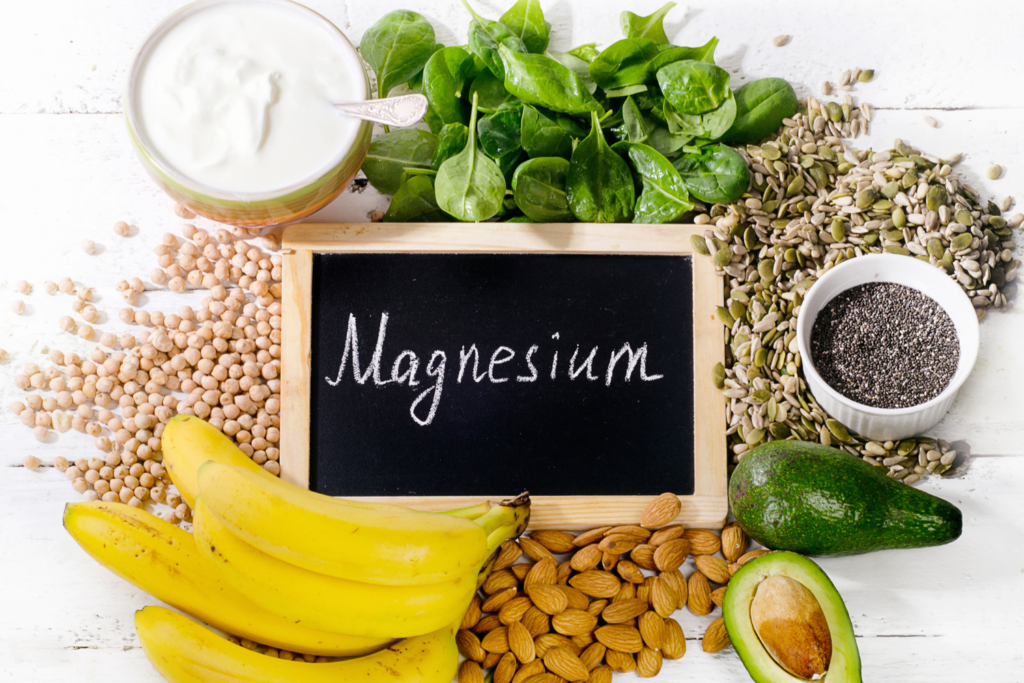
Magnesium is one of the most overlooked minerals when it comes to healthy teeth. While calcium gets all the attention, magnesium is what helps regulate how calcium is used in the body. Without enough magnesium, calcium can end up in the wrong places, weakening teeth instead of strengthening them.
Magnesium supports enamel formation, helps maintain strong jawbones, and plays a role in reducing inflammation in the gums. A deficiency may show up as tooth sensitivity, grinding, or even increased risk of cavities.
Good sources include leafy greens, seeds, nuts (preferably soaked), and whole foods. If supplementation is needed, it is often best taken alongside calcium to keep the balance right.
The Importance of Phosphorus
Since enamel is made of calcium phosphate, phosphorus is just as important as calcium itself. Without enough phosphorus, the body cannot properly build or maintain strong teeth.
Phosphorus helps rebuild enamel and supports overall tooth structure. It also works closely with Vitamin D to ensure minerals are properly absorbed and utilized.
Foods rich in phosphorus include eggs, fish, dairy products, and certain seeds. A balanced intake of calcium and phosphorus is key, not just one or the other.
Healthy Fats and Fat-Soluble Vitamins
Many people focus only on minerals, but fat-soluble vitamins depend on dietary fats to be absorbed properly. Without enough healthy fats in your diet, your body may not be able to use Vitamins A, D, E and K effectively.
Healthy fats support saliva production, reduce inflammation, and help deliver nutrients directly to the teeth and gums. Diets that are too low in fat can actually contribute to poor dental health over time.
Include sources such as coconut oil, olive oil, avocados, butter from grass-fed animals, and fatty fish. These not only support nutrient absorption but also provide building blocks for overall oral health.
The Role of Saliva in Protecting Teeth
Saliva is often overlooked, but it is one of the body’s most powerful natural defenses against tooth decay. It helps neutralize acids, wash away food particles, and deliver minerals to the teeth.
When saliva production is low, the risk of cavities, bad breath, and gum disease increases. Dehydration, stress, certain medications, and poor diet can all reduce saliva flow.
To support healthy saliva production:
- Stay well hydrated throughout the day
- Chew fibrous foods like vegetables
- Avoid excessive sugar and processed foods
- Consider herbal teas that stimulate digestion and hydration
Sugar, Acidity and Tooth Decay
Even with the best supplementation, a diet high in sugar and acidic foods will continue to damage teeth. Sugar feeds harmful bacteria in the mouth, which produce acids that erode enamel.
Acidic drinks such as sodas, fruit juices, and even some health drinks can weaken enamel over time. The key is not just eliminating sugar, but also managing how often you expose your teeth to it.
Simple habits can make a big difference:
- Avoid constant snacking throughout the day
- Rinse your mouth with water after meals
- Wait before brushing after acidic foods to avoid enamel damage
- Focus on whole, nutrient-dense foods
Herbal Support for Gum Health
While your original focus touched on antimicrobials, it is also worth noting that certain herbs directly support gum strength and healing.
- Clove: Known for its natural numbing and antibacterial properties
- Sage: Helps reduce inflammation and supports gum tissue
- Peppermint: Freshens breath and has mild antimicrobial effects
- Tea tree (used carefully): Can support oral hygiene when diluted properly
These herbs can be used in mouth rinses, teas, or natural dental products to complement your overall routine.
Oil Pulling as a Natural Practice

Oil pulling is an ancient practice that involves swishing oil (commonly coconut oil) in the mouth for several minutes. This process helps draw out bacteria and toxins while supporting gum health.
Many people report reduced plaque, fresher breath, and healthier gums with consistent use. While it is not a replacement for brushing and flossing, it can be a helpful addition to a natural dental care routine.
Gut Health and Its Connection to Teeth
Your oral health does not exist in isolation. The health of your gut plays a major role in how well your body absorbs nutrients needed for strong teeth.
If your digestion is compromised, you may be eating all the right foods but still not getting the benefits. Poor gut health can lead to deficiencies that directly affect your teeth and gums.
Supporting gut health includes:
- Eating fermented foods when possible
- Reducing processed foods and excess sugar
- Managing stress levels
- Ensuring proper digestion and nutrient absorption
Building a Practical Daily Routine
Knowing what to do is one thing. Actually doing it consistently is what makes the difference.
A simple daily routine for supporting healthy teeth could include:
- Starting the day with a mineral-rich diet
- Drinking enough water throughout the day
- Including herbal teas or supplements where needed
- Maintaining basic oral hygiene practices
- Avoiding excessive sugar and processed foods
- Supporting your body with the right balance of vitamins and minerals
Consistency matters more than perfection. Small improvements done daily will have a bigger impact than occasional drastic changes.
A Holistic Approach to Dental Health
Healthy teeth are not just about brushing twice a day or visiting the dentist. They are a reflection of your overall health, nutrition, and daily habits.
When you focus on nourishing your body with the right minerals, supporting absorption, and maintaining a balanced lifestyle, your teeth benefit as a natural result.
Instead of treating dental problems as isolated issues, it is more effective to see them as signals. Your body is communicating that something deeper may need attention.
By combining proper nutrition, herbal support, and mindful habits, you can take a more proactive approach to maintaining strong, healthy teeth for the long term.