
Bloating After Eating Bread: Why It Happens and How to Fix Your Digestive Problems
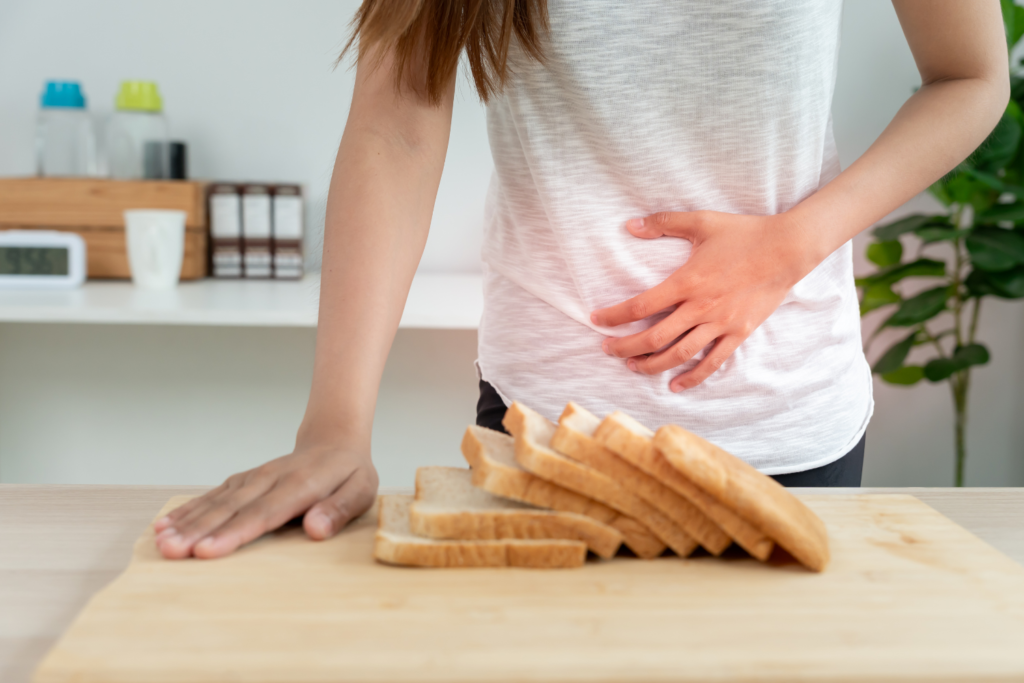
If you often experience bloating after eating bread, you’re not alone. Many people notice discomfort, gas, or a heavy feeling in their stomach shortly after consuming common wheat-based foods, but few stop to question why it’s happening. What seems like a normal reaction could actually be your body signaling a sensitivity or digestive issue that shouldn’t be ignored. Understanding the root cause of bloating after eating bread is the first step toward making better dietary choices and improving your overall digestive health.
Eating Bread Causes Bloating and Other Digestive Problems
Do you or a member of your family experience bloating after eating bread? If you answered yes, then it is possible that you are sensitive to foods made from wheat. It is also quite probable that bread is such a regular part of your diet that you can’t imagine doing without it.
The simple sandwich is a staple for most families. Bread is convenient, affordable, and widely available. It shows up at breakfast, lunch, snacks, and even dinner. Because of this, many people ignore early signs that their body may not be responding well to it.
However, if you want the symptoms to stop, you have to eliminate the cause. You can either reduce your bread intake or look for other gluten-free or wheat-free alternatives. The key is not just removing bread randomly, but understanding why your body reacts the way it does.
Why Bread Can Cause Digestive Issues
Bread may seem harmless, but it contains compounds that can be difficult for some people to digest. The main culprits include:
- Gluten – a protein found in wheat that can trigger reactions in sensitive individuals
- FODMAPs – fermentable carbohydrates that can cause gas and bloating
- Additives and preservatives – commonly found in processed bread
- Yeast and fermentation byproducts – which can contribute to gas production
For some people, the issue is not just wheat itself, but how modern bread is made. Highly processed flour, fast fermentation methods, and added chemicals can make bread harder on the digestive system compared to traditional, slow-fermented varieties.
Wheat Allergy
If you are allergic to wheat, your immune system reacts immediately after consuming it. Symptoms can include:
- Itching or hives
- Skin rashes
- Wheezing or difficulty breathing
- Swelling of the lips, tongue, or throat
These reactions can happen within minutes and can become life-threatening in severe cases. This is not something to manage on your own. You must consult a doctor immediately if you experience these symptoms.
Wheat allergy is less common than sensitivity, but it is more serious and requires strict avoidance of wheat in all forms.
Wheat Sensitivity
Wheat sensitivity is more common and often less severe, but it can still affect your daily life. Symptoms usually appear hours after eating and may include:
- Bloating
- Stomach cramps
- Gas
- Diarrhea
- General abdominal discomfort
In milder cases, symptoms may only show up after eating large portions. This is why many people overlook the connection. They assume the discomfort is normal or caused by something else.
The problem is that repeated exposure can keep your digestive system under stress, leading to chronic discomfort and reduced quality of life.
Celiac Disease
Celiac disease is a serious autoimmune condition triggered by gluten. When someone with celiac disease consumes gluten, their immune system attacks the lining of the small intestine.
This leads to:
- Damage to the intestinal lining
- Poor nutrient absorption
- Fatigue and weakness
- Weight loss or nutritional deficiencies
Over time, untreated celiac disease can lead to more serious health complications, including bone loss and immune issues.
If you suspect gluten intolerance, you should consult a doctor and undergo proper testing. Self-diagnosing and removing gluten before testing can make results less accurate.
The Hidden Sources of Wheat
Many people think avoiding bread is enough, but wheat shows up in more foods than expected. Common hidden sources include:
- Breakfast cereals
- Pasta
- Cakes and pastries
- Biscuits and crackers
- Beer
- Soy sauce
- Processed meats and sauces
This is why reading food labels is important. Wheat can appear under different names such as flour, semolina, or modified starch.
If you are serious about reducing symptoms, you need to be aware of these hidden sources.
The Role of Portion Size and Frequency
One mistake people make is thinking they must completely eliminate wheat right away. That is not always necessary, especially for those with mild sensitivity.
In many cases, the issue is overconsumption.
Eating bread multiple times a day can overload your digestive system. Your body may handle small amounts, but struggle when intake is frequent and excessive.
Try this instead:
- Reduce portion sizes
- Avoid eating wheat at every meal
- Give your body time to recover between exposures
This approach allows you to identify your personal tolerance level rather than relying on guesswork.
Trying an Elimination Diet
If you are unsure whether wheat is the problem, an elimination diet is one of the most effective ways to find out.
Here’s a simple approach:
- Remove all wheat-based foods for at least 3 to 4 weeks
- Monitor your symptoms during this period
- Reintroduce wheat slowly and observe any reactions
If your symptoms disappear during elimination and return after reintroduction, wheat is likely the cause.
Start reintroduction carefully. Do not jump straight into bread. Try smaller portions of pasta or simpler wheat products first. This helps you isolate your reaction more clearly.
Gut Health and Digestion
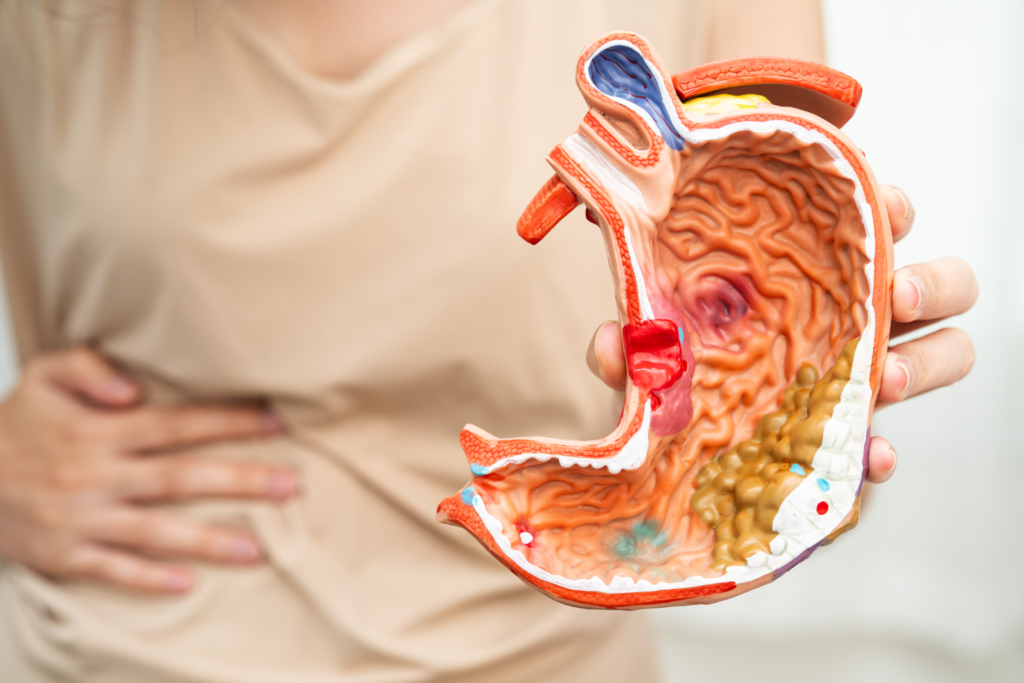
Your reaction to bread is not just about wheat. It is also about your gut health.
A weak or imbalanced digestive system can make it harder to process certain foods. Factors that affect gut health include:
- Stress
- Lack of sleep
- Poor diet
- Antibiotic use
- Low fiber intake
Improving your gut health may reduce your sensitivity over time. This includes:
- Eating more whole foods
- Including fermented foods like yogurt or kefir
- Staying hydrated
- Managing stress levels
Your body is not static. With the right support, your digestion can improve.
The FODMAP Connection
Some people react to bread not because of gluten, but because of FODMAPs. These are fermentable carbohydrates that feed gut bacteria and produce gas.
This can lead to:
- Bloating
- Gas
- Diarrhea
- Abdominal pain
A low-FODMAP diet can help identify whether this is the real issue. Many people who think they are gluten intolerant are actually sensitive to FODMAPs.
This is why understanding your body matters more than following trends.
Choosing Better Alternatives
If you decide to reduce or eliminate wheat, you still have plenty of options.
Good alternatives include:
- Quinoa
- Buckwheat pasta
- Rice and rice-based products
- Corn-based cereals
- Oats that are labeled gluten-free
- Potato-based foods
These alternatives can help you maintain variety in your diet without triggering symptoms.
Also, not all bread is equal. Some people tolerate:
- Sourdough bread
- Bread made from ancient grains
- Slow-fermented bread
These are often easier to digest because of the way they are prepared.
Lifestyle Habits That Help Reduce Bloating
Food is only part of the equation. Your habits also matter.
To reduce bloating:
- Eat slowly and chew your food properly
- Avoid overeating
- Limit carbonated drinks
- Stay physically active
- Drink enough water
These simple habits can significantly improve digestion, even if you continue eating some wheat.
When to See a Doctor
While mild bloating can often be managed at home, certain symptoms require medical attention.
Seek help if you experience:
- Persistent symptoms that do not improve
- Blood in your stool
- Severe stomach pain
- Frequent vomiting
- Unexplained weight loss
These could indicate more serious conditions that need proper diagnosis.
The Bigger Picture
Bread itself is not the enemy. The real issue is how your body responds to it.
For some, bread is completely fine. For others, it can be a trigger for discomfort and digestive problems. The goal is not to blindly remove foods, but to understand your body and make informed choices.
Pay attention to how you feel after eating. Track patterns. Make small changes and observe the results.
Take Control of Your Diet
If bread is causing bloating or digestive issues, ignoring it will not make it go away. The longer you continue habits that do not serve your body, the more discomfort you create.
Start simple:
- Reduce your intake
- Test your tolerance
- Improve your overall diet
- Support your gut health
You do not need extreme changes. You need consistent, intentional ones.
Your body gives you signals for a reason. Listen to them, adjust your habits, and you will move closer to a more comfortable and balanced life.