Understanding Bad Breath: Causes, Remedies, and Prevention
Bad breath, also known as halitosis, often originates in the mouth. It’s primarily caused by bacteria breaking down food particles, generating VSCs (volatile sulfur compounds), and resulting in a distinct odor, akin to the scent of rotten eggs or understanding bad breath.
Factors that cause bad breath (halitosis):
Poor dental hygiene is the major cause of bad breath. It results in tooth decay, gum problems such as gingivitis, and plaque. This also causes the accumulation of bacteria particularly between teeth and the posterior tongue.
Certain types of food and drinks also affect the kind of breath we breathe. Foods such as cabbage, onion, and garlic are known to contain oil that runs to the bloodstream and makes us exhale bad odor. Coffee and soda are known to cause bad breath as well. All tobacco products can cause bad breath aside from other health dangers they can cause.
The dryness of the mouth is another reason why people have bad breath. It is more often the reason for children since they have habits of sucking objects including a blanket that quickly dries the mouth. For adults, dried mouth is often caused by poor saliva production and using mouthwash that contains too much alcohol.
Nasal, throat, and mouth infections cause halitosis as well. These include canker sores, upper respiratory infections, bronchitis, mononucleosis, tonsillitis, strep throat, nasal discharge, and sinusitis. Nasal infection or colds can force someone to breathe through his mouth which quickly dries the mouth and causes bacteria to breed.
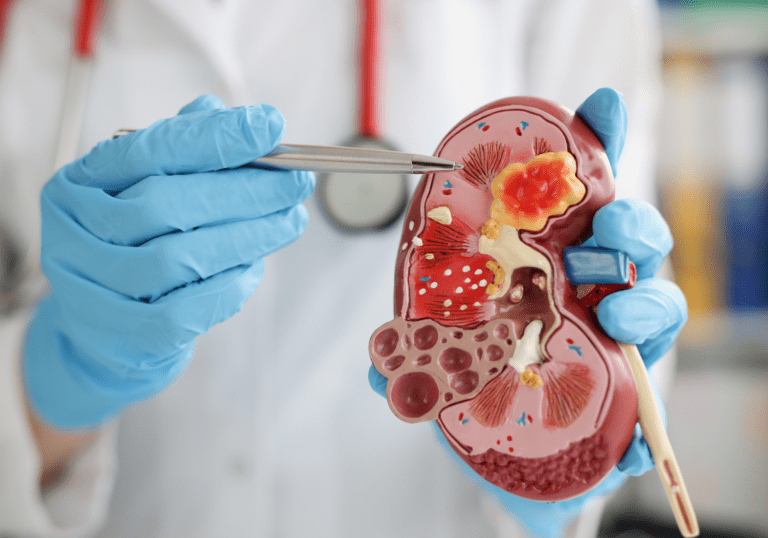
Internal organ failures can manifest themselves through bad breath. Thus halitosis can be a sign of serious health problems.
How bad breath is treated?
Since most of the time bad breath or halitosis starts from the mouth, it is treated through the mouth. Seeking a dentist’s help is the best way to do it. The dentist can check if there is something wrong with the dentures and make the necessary treatment for it. A visit to the dentist can also shed ideas as to what types of remedies are suited to a particular person with bad breath.

Self-help bad breath treatment
Maintaining good oral hygiene can prevent as well as treat bad breath. This includes tooth brushing for at least twice a day, using dental floss or other type of inter-dental brush at least once a day, and using oral antiseptics that do not cause dryness to the mouth. Cleaning the tongue with a tongue scraper is an effective way to remove the odor-causing bacteria from the mouth.
Drinking plenty of fluids can keep the mouth moist which reduces the risk of bad breath. Eating regularly stimulates the mouth to produce saliva which moistens the mouth. Chewing sugarless gums can stimulate the production of saliva as well.
Since meat, fish, and dairy products can cause bad breath, a good brushing after a meal is important to remove food particles from your mouth.
Fibrous fruits and vegetables such as parsley, cucumber, apple, and carrots can help clean the teeth naturally.
Quit smoking and lessen the consumption of coffee and soda.
Clean orthodontic appliances, partial plates, and removable bridges can trap food particles that cause bad breath. Clean them once a day or as instructed by the dentist.
With the right information, bad breath or halitosis can easily be prevented.