Frequently Asked Questions About Hemorrhoids
Hemorrhoids, a prevalent but often misunderstood condition, prompt numerous questions. From causes to treatments and lifestyle adjustments, understanding this ailment requires clarity. Exploring a comprehensive list of frequently asked questions about hemorrhoids provides insights, dispels myths, and offers practical guidance. This guide endeavors to address these queries, empowering individuals with the knowledge to navigate and manage hemorrhoids effectively.
1. What are hemorrhoids?
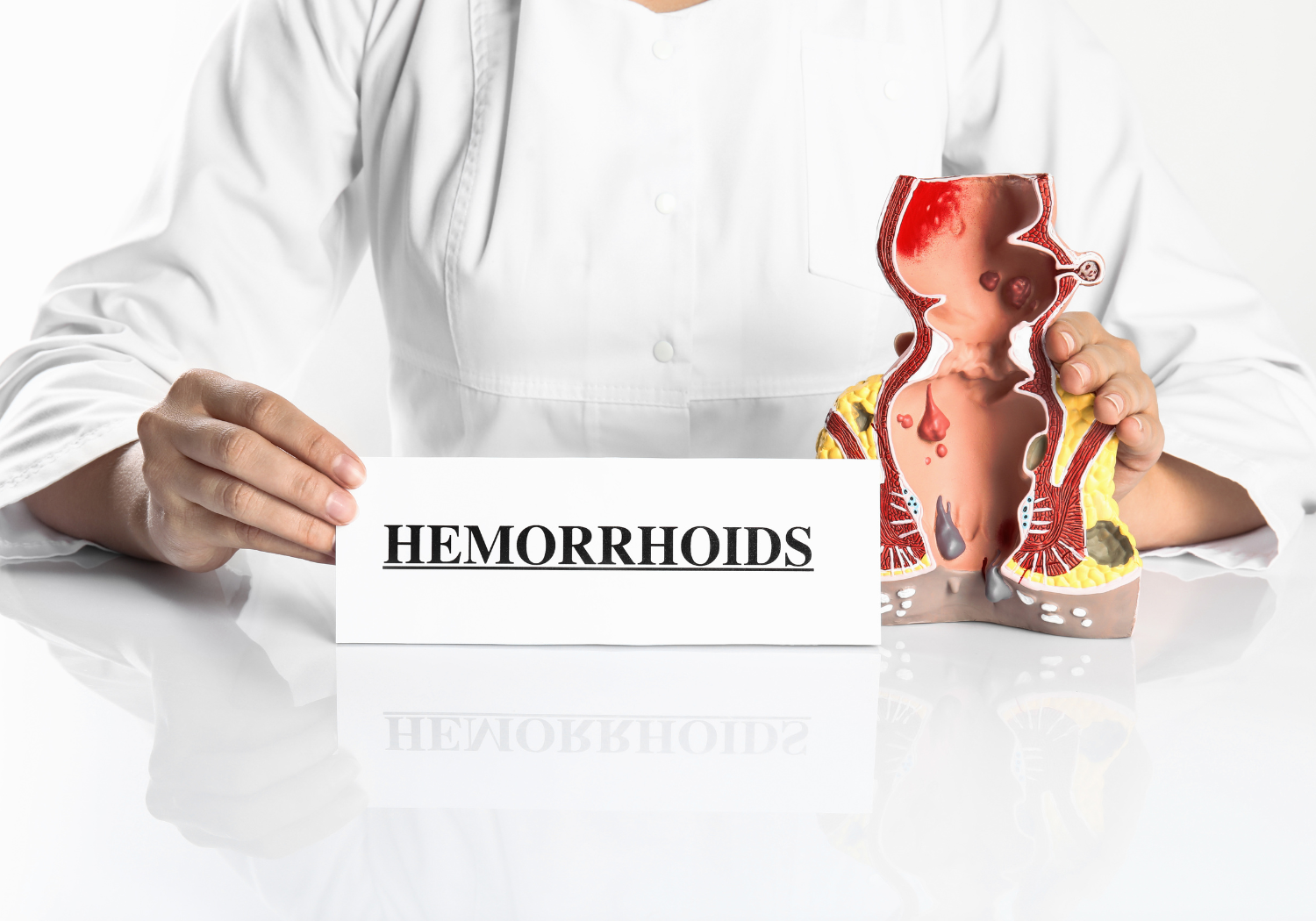
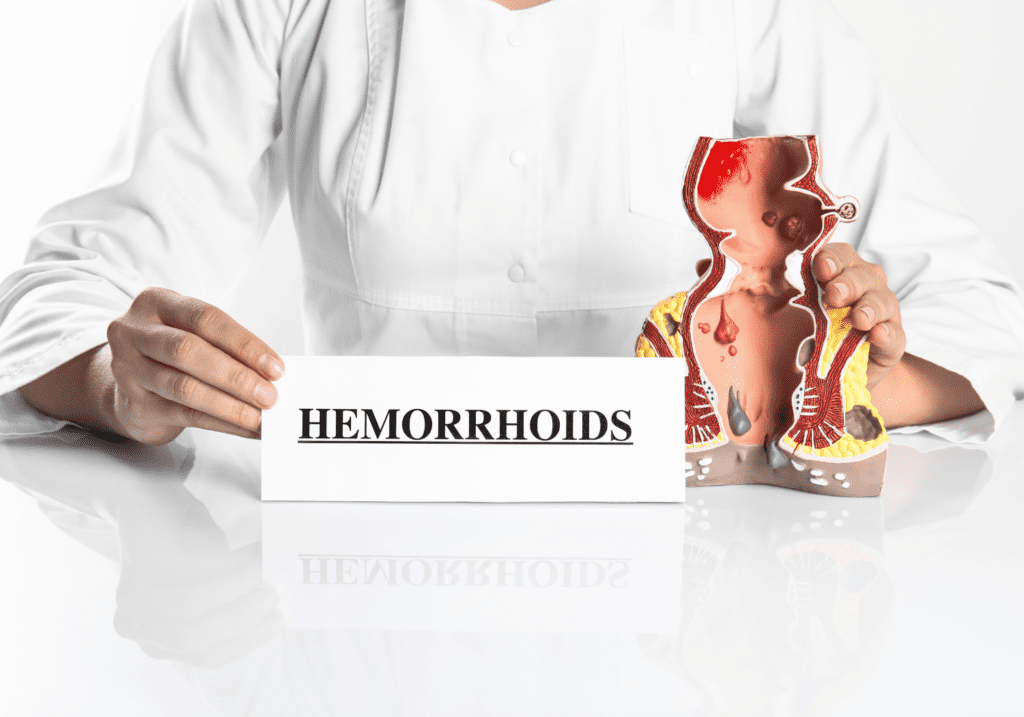
First, hemorrhoids are similar, but not the same as, varicose veins. Hemorrhoids, generally occur in the rectal region – bloated, enlarged blood vessels of the lower rectum and anal duct, to be clinically accurate.
The blood vessels in this region of your body are fairly flexible and stretchable to be suitable for stool expanding and constricting. This is why a hemorrhoid can only happen in this area of the body – no other blood vessels in your vascular system can stretch as much and become so large when filled with blood.
To better understand hemorrhoids, imagine the hemorrhoid as the most frail part of a diluted area of the veins – such as when straining on the toilet. Once stretched and if not able to return to its original shape and size, it is then called a hemorrhoid. The more blood vessels are filled with blood, the more hemorrhoids you have.
2. What are external hemorrhoids?
If the enlarged blood vessel is outside the rectum, but nearly closes in the opening, it is called an external hemorrhoid. Particularly, external hemorrhoids have three main symptoms: They are observed as small bleeding regions that happen beneath the skin close to the anus that can be felt as rigid bulges. They also do not present through the opening, but are formed on the lining, just situated outside and, since external hemorrhoids form in the often tinted area of the skin near the opening, they are often plum or brownish.
Some doctors argue for calling a varicose vein on the upper part of the leg a hemorrhoid- but this is a different way of using the clinical term.
3. What are internal hemorrhoids?
If the enlarged blood vessel is inside, the hemorrhoids are called internal hemorrhoids, even though they can bleed, they are rarely painful unless irritated or blood has coagulated.
Internal hemorrhoids only occur in the last 5 centimeters of your anus. That’s why a doctor can easily test you for internal hemorrhoids. This is crucial since a lot of patients are mistakenly informed that internal hemorrhoids are fairly long, huge, enormous things deep inside the anal duct.

4. What are prolapsed hemorrhoids?
If the enlarged blood vessel is internal, but protrudes outside where you can see it, it is called a prolapsed hemorrhoid and they are red in appearance.
5. What are thrombosed hemorrhoids?
Finally, the last kind of hemorrhoid you’ll probably need to be familiar with is hemorrhoids which are known as thrombosed hemorrhoids. Thrombosed hemorrhoids are hemorrhoids that have coagulated blood inside them, and they are severely painful.
6. Are Hemorrhoid Tumors?
No. Any kind of hemorrhoid is not cancerous, so do not be alarmed easily until you seek medical advice. However, you should not completely ignore any kind of hemorrhoid as it can be a warning sign of a more serious health problem that can be life-threatening such as colorectal cancer or cancer of the colon.