Losing Weight After Pregnancy: Kind, Realistic Steps That Work
After months of your body changing to grow a baby, it’s completely normal to be left with extra kilos once your little one arrives. Most new mums carry an additional 3–7 kg compared to their pre‑pregnancy weight, and that’s partly by design – your body stores energy to help you nurture your baby after birth. The goal now isn’t a crash diet, but a steady, gentle return to a healthy weight while protecting your energy, mood, and milk supply if you’re breastfeeding.
Understand Your Postpartum Body
Your body has just done something huge, and it needs time to recover.
- Some women lose weight quickly and even weigh less after birth than before pregnancy, but that’s the exception, not the rule.
- Most will see gradual changes over months, not weeks, influenced by genetics, how much weight they gained in pregnancy, activity levels, and whether they’re breastfeeding.
- If you were active and eating well during pregnancy, you’ll usually find it easier to get back into a routine afterwards.
Setting realistic expectations and focusing on health rather than perfection makes the whole process far more sustainable.
Breastfeeding and Weight Loss
If you’re breastfeeding, your body is still working hard and needs extra fuel.
- During pregnancy, you need roughly a few hundred extra calories; when breastfeeding, your body can require around 500 extra calories a day to produce enough milk and stay healthy.
- The silver lining: those extra calories spent on milk production can make it easier to lose weight without strict dieting.
- Many breastfeeding mums find that, with a balanced diet and gentle activity, the kilos come off steadily without special “diet plans.”
Even with breastfeeding, though, extreme calorie restrictions are a bad idea; they can drain your energy and may affect your milk supply.
When Can You Start Exercising?
The right start time depends on your delivery, healing, and how you feel physically and emotionally.
- Many doctors suggest waiting about six weeks after birth before beginning a structured exercise routine, especially after a vaginal delivery.
- After a caesarean or complicated birth, you may need longer and should follow personalised medical advice.
- Very gentle movement like short walks can often start earlier if your doctor agrees and you feel up to it.
Always get clearance from your healthcare provider before launching into postpartum workouts, and build up slowly.
Smart Eating: Fuel, Don’t Punish
Just like pregnancy wasn’t the time for crash diets, the weeks and months after birth aren’t either.
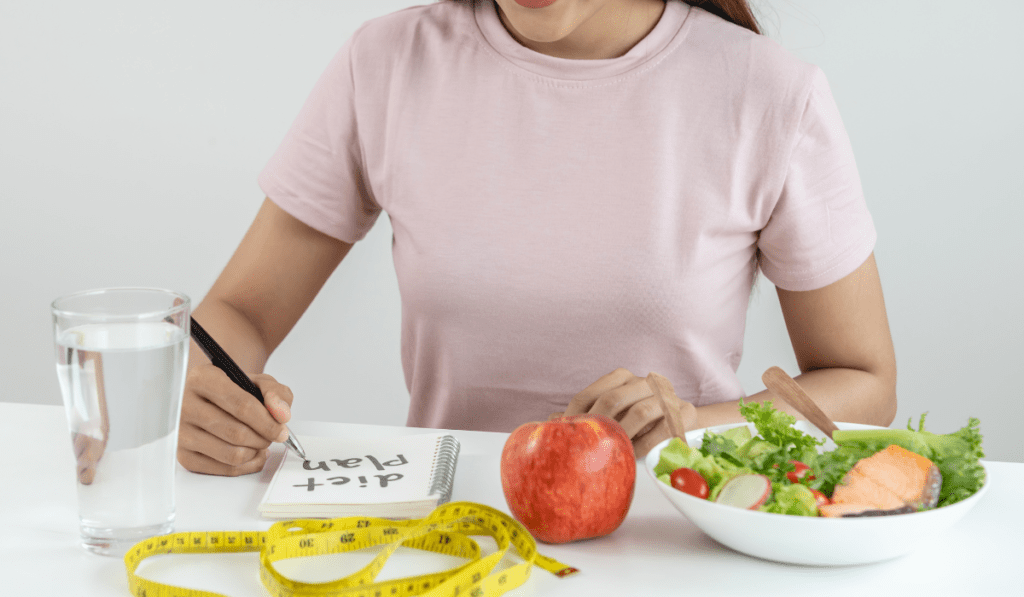
- Focus on a normal, healthy, well‑balanced way of eating rather than an aggressive weight‑loss plan.
- Include lean proteins, whole grains, fruits, vegetables, and healthy fats to keep your energy stable and support healing.
- If you’re not breastfeeding, you won’t have that extra 500‑calorie burn, so pairing healthy eating with moderate exercise becomes even more important.
- Avoid very low‑calorie diets; they can slow your metabolism and make you feel exhausted, which is the last thing you need with a newborn.
A small, sensible reduction in calories combined with movement is far safer and more effective than severe restriction.
Gentle Ways to Burn More Calories
The good news for new mums: your everyday life already burns more energy than you might think.
- Walking alone burns calories; walking while pushing a pram increases that burn, and pushing uphill boosts it further.
- Lifting the pram, car seat, and baby, carrying your baby up and down stairs, and constant “mum tasks” all add to your daily activity.
- As you feel stronger, you can add structured exercise such as walking, low‑impact aerobics, light jogging (when cleared), yoga, or swimming.
The key is consistency: short, regular sessions will get you much further than the occasional intense workout.
Building a Postpartum Fitness Routine
A simple, realistic routine is easier to stick to than an ambitious one.
- Start with 10–20 minute sessions of walking or gentle movement and gradually increase as your stamina improves.
- Choose activities you enjoy – walking with the pram, at‑home aerobics, yoga, or light strength training can all help reshape your body.
- Expect your progress to be slower than that of celebrities with personal trainers, chefs, and nannies; their rapid “bounce backs” aren’t a realistic benchmark.
Regular exercise will help you burn calories, tone muscles, improve mood, and increase the energy you need to care for your baby.
How Fast Should The Weight Come Off?
Healthy, sustainable losing weight after pregnancy is a marathon, not a sprint.
- Aiming to lose around half to one kilogram per week is a reasonable target once your body has healed and you’re cleared to exercise.
- Many women find that simply eating well and staying moderately active leads to steady weight loss without strict rules.
- Because being a mum is so energy‑intensive, you may notice the kilos dropping faster than expected at times – but don’t chase faster results through unhealthy methods.
Your timeline will be unique; what matters most is that your approach supports your physical and emotional wellbeing.
Be Kind To Yourself
Postpartum weight loss is as much mental and emotional as it is physical.
- You’re adjusting to life with a new baby, broken sleep, and a completely different rhythm; perfection is not the goal.
- Celebrate small wins – an extra walk this week, choosing a nourishing meal, or feeling a bit stronger – instead of fixating on the scales alone.
- Remember that your body has done something extraordinary, and it deserves patience, respect, and care.
With time, gentle consistency, and realistic expectations, you can move towards your pre‑pregnancy shape (or a new, equally strong version of it) in a way that truly supports you and your baby.