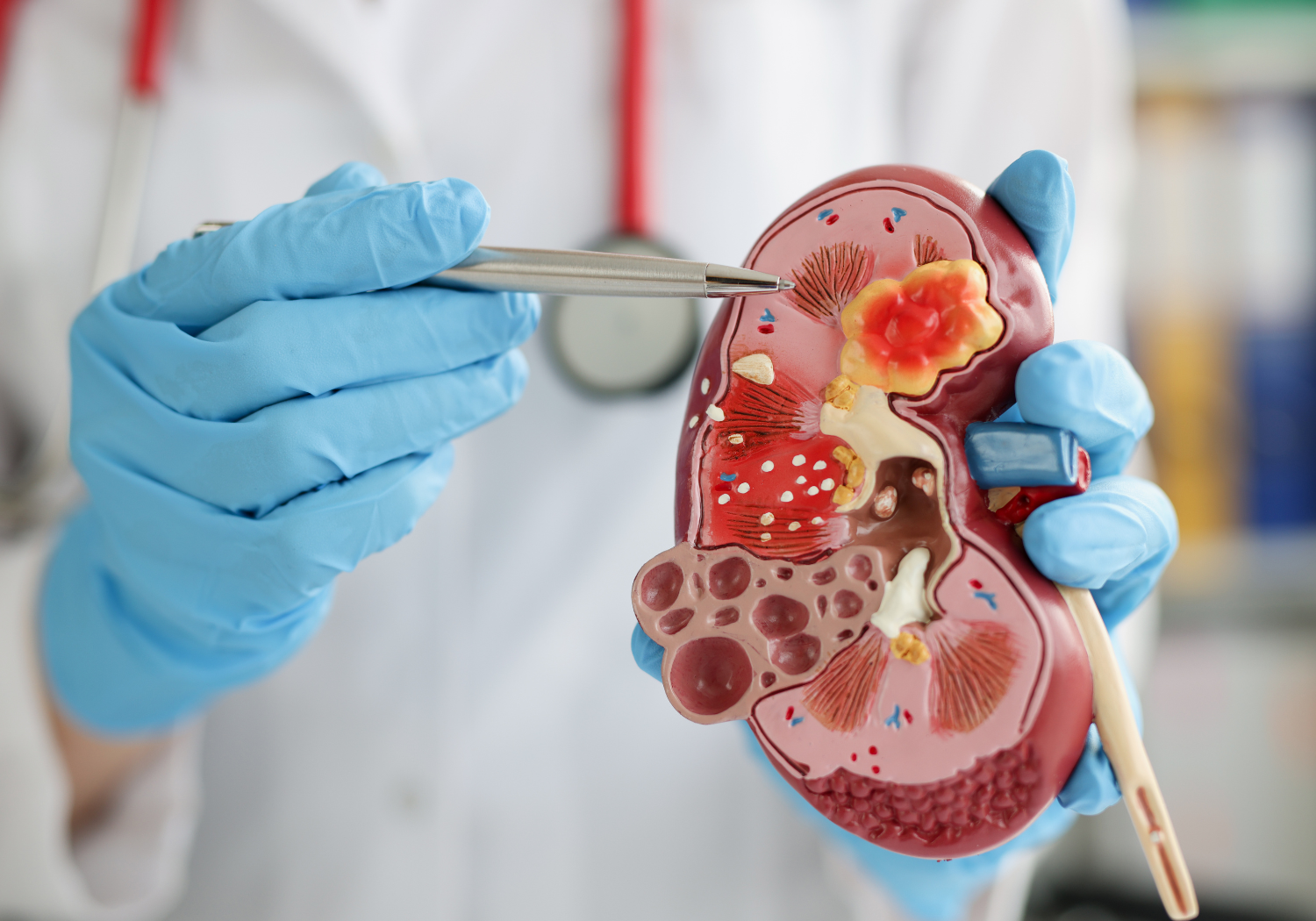
What You Need to Know About Kidney Stones
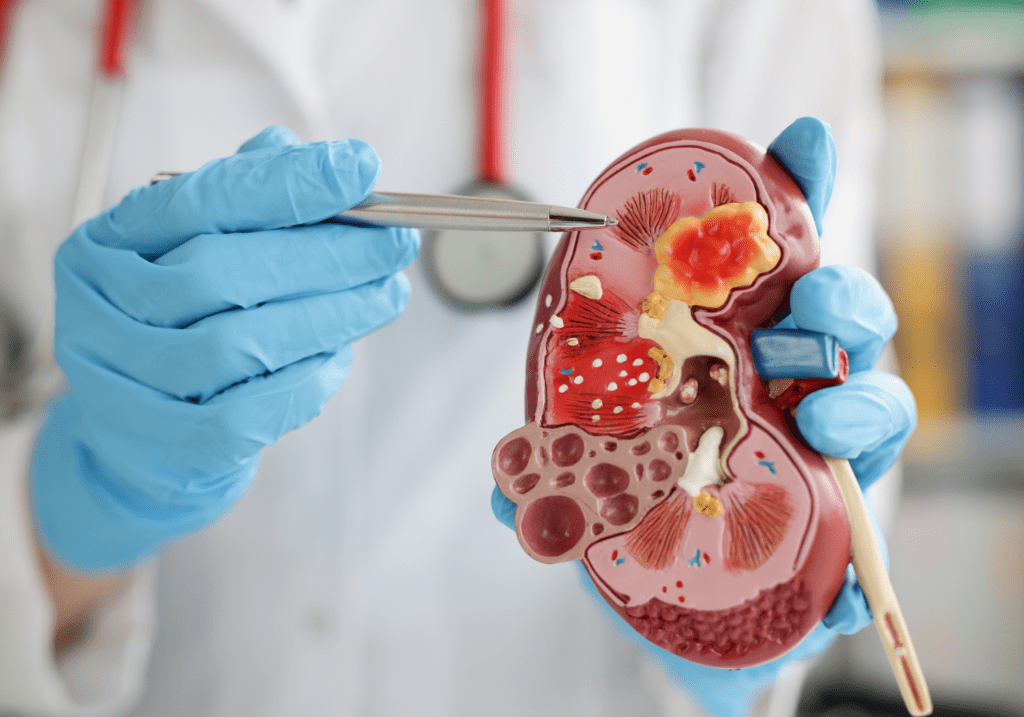
What They Are?
Kidney stones are a result of substances and other minerals crystallized in the urine. Kidney stones are hard pieces of material that can block the passage of urine and may cause pain and infection to the person suffering from it. These stones may grow in size and number when left undiagnosed or untreated. The stones move out of the kidney and then go through the ureters which are the little tubes that carry urine from the kidney to the bladder. If it gets stuck here, an infection may lead to kidney damage.
Type of Kidney Stones
Experts categorize kidney stone types into four: “calcium oxalate”, “struvite stone”, “uric acid stone”, and “cystine stones.”
1 – Calcium stone – among the 4, this is the most common. It looks spiky or large and smooth. This is made from calcium oxalate or calcium phosphate. It is very common because there are a lot of people who have excess levels of vitamin D or have an overactive parathyroid gland. This may also develop in people who are suffering from cancer or kidney disease.
2 – Uric acid stones are smooth, soft, and brown in color. You can get this from eating a lot of meat products. Patients who have undergone chemotherapy are at risk of getting uric acid stones.
Both the calcium stones and the uric acid stones commonly occur among men.
3 – Struvite or Infection Stones – these are usually large and have a horn-like shape and often develop when there is too much ammonia present in your urine. This occurs if you have a UTI or urinary tract infection because the bacteria that cause this infection generates ammonia. This type of stone is found generally in women.
4 – Cystine stones – what makes this different is the fact it is yellow in color and crystalline. From the name itself, you can only get it if you have high levels of cystine in your urine. In some cases, cysteine combines with arginine, lysine, and ornithine. This is a genetic disorder known as cystinuria which happens when the kidney tubules are not reabsorbing the amino acids adequately. This is very rare and it can happen to anyone between the ages of 10 and 30 regardless of gender.
Common Sufferers
Kidney stones can happen to anyone but many studies show that middle-aged men are more prone to developing kidney stones compared to other age brackets. This is because this is when people are reckless and careless about their lifestyles. So for you guys out there, you should be careful.
Also, people who have a family history of kidney stones, take certain medications such as antacids, diuretics, and thyroid medications, have one kidney or one that is abnormally shaped, eat a lot of protein in their diet, are often dehydrated, have poor mobility and have had a disease in the small intestine or small intestinal bypass.
How Do You Know If You’ve Got Them?
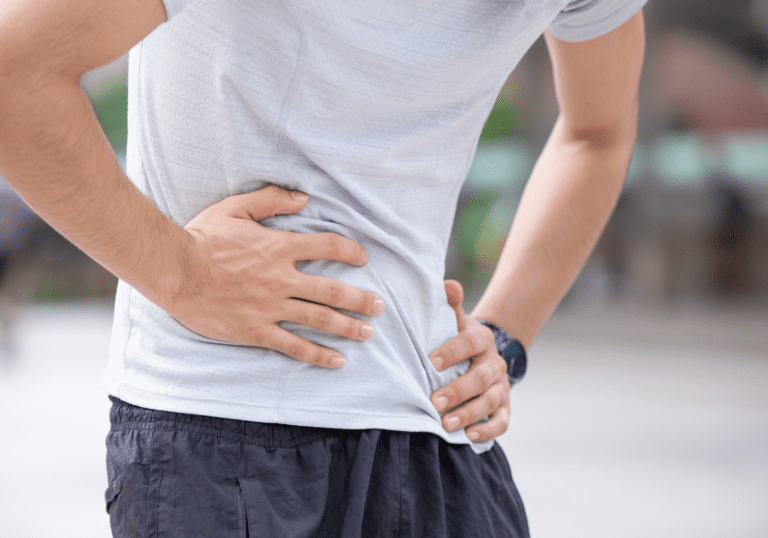
You may also already have kidney stones if you have one of these symptoms which include bloating, blood in the urine, cloudy or foul-smelling urine, an increase in the frequency of urination, nausea and vomiting, pain during urination, and tenderness in the abdomen and kidney region.
Some people also complain of pain coming from the back or the pelvis that goes on and off. It may last for several minutes to a few hours. You might also experience chills, fevers, and a loss of appetite which happen to be the same symptoms associated with urinary tract infection or UTI.
There is no doubt that something is wrong. What now? Well, you must see the doctor to find out what is happening. Once you arrive at the clinic, fill up the questionnaire, and wait for your name to be called so the doctor can do a physical exam.
Doctors can tell the difference between a UTI and kidney stones through various tests. These include blood tests, urine analyses, x-rays, ultrasound, and non-contrast helical computerized tomography. If initial reports confirm the findings, then treatment is administered.

What Caused Them?
Experts say that many factors may lead to the possible causes of kidney stones. These factors may include “heredity,” referring to the kidney-related diseases that run in many generations of the family; the “geographical location” which says that the places where the disease is common are caused by other related factors such as climate and way of living; “diet” which greatly trigger the cause of the stone especially if they have high contents of calcium, sodium, and “oxalates”, which refer to products that may contribute to the increase in the levels of kidney stone-forming chemicals and substances in the body.
What’s Next?
Should you already have kidney stones and it is causing problems, you have to see your doctor so both of you can figure out what treatment option is best suited for the situation. You have to remember that the doctor has to figure out first what type of stone is in your system.
Doctors determine what course of action to take based on the size of the kidney stone. If they have found the kidney stone to be 4mm in diameter or less, then surgery is not required. But if it is larger than 8mm. Doctors have no choice but to perform surgery because the stone cannot exit the bladder on its own.
There are 4 procedures currently being used to treat kidney stones. You have ESWL or extracorporeal shockwave lithotripsy, PNL or percutaneous nephrolithotomy, ureteroscopic stone removal, and open surgery.
What will be used depends not only on the size of the kidney stone but also on the type that is inside your kidney. Doctors know that you have one of four types and this could be calcium, uric acid, struvite, and cystine.
It is important to know what type of kidney stone is inside so that during post-treatment, your doctor can tell you what steps you can take so this will not happen again.
When the doctor tells you that there are kidney stones in your body, don’t panic and learn more about the problem. Yes, you know what it is and what caused it but you should also ask how serious this is.
Are there risks to the procedures? Have the kidney stones caused any permanent damage to the body? If surgery was successful, what steps should you take so this will not happen again?
Your doctor should be able to answer all your questions. If you have doubts, seek a second opinion. If you do have kidney stones, do whatever it takes to get rid of them.
You may not need surgery after all to get rid of kidney stones since most of the time, the body will be able to do it. But if surgery is required, don’t panic. Find out everything there is to know about it so you are well briefed on what will happen. Yes, there are risks but things could get worse if you do not do anything about it.
How Can You Prevent Them from Returning?
Today, it seems that people who are already suffering from kidney stones are usually the last ones to realize the importance of taking care of the kidney. Knowing the basics will help one to realize the importance of the organ in the functions of the body and for overall health as well.
Since more people are at risk of developing calcium stones, you should reduce your calcium intake and cut down on vegetables like asparagus and cooked spinach. Do the same for the amount of tea that you drink and the chocolate that you eat.
To prevent having uric acid stones, you should cut down on fish, meat, and poultry products. If necessary, your doctor may also prescribe some medicine to help you along the way which is the same to reduce the risk of developing cystine or struvite stones.