
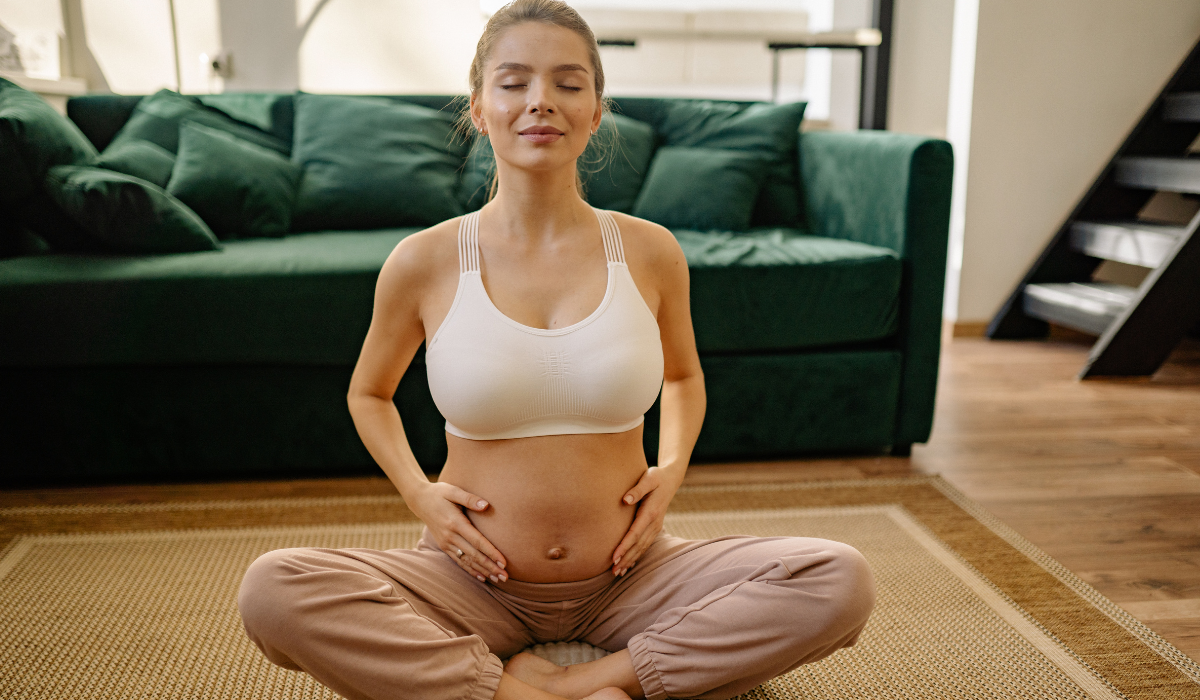
Fitness During Pregnancy: Safe, Realistic Ways To Stay Active
For years, pregnant women were told to put their feet up and “take it easy,” but we now know that, for most healthy pregnancies, regular movement is one of the best things you can do for yourself and your baby. Exercise can boost your energy, support a healthier pregnancy, and even make labour and recovery easier.
Why Staying Active Matters
A sensible fitness routine during pregnancy offers both physical and emotional benefits.
- Helps manage weight gain and reduces the likelihood of gaining more than you need.
- Lowers the risk of issues like gestational diabetes and supports heart health.
- Builds stamina and strength for labour, which may shorten labour time and make birth feel more manageable.
- Eases common discomforts such as fatigue, lower back pain, and stress.
- Supports mood, confidence, and may reduce the risk of “baby blues” and postnatal emotional lows.
Think of exercise as a tool to feel better now and to bounce back more smoothly after birth.
Is It Safe To Exercise While Pregnant?
For most women with uncomplicated pregnancies, exercising in moderation is not only safe – it’s recommended. The key is to follow a few core principles.
- Always get the all-clear from your doctor or midwife before starting or changing a fitness routine.
- If you were active before pregnancy, you can usually continue with a modified version of what you already do.
- If you’re new to exercise, start gently and build up, rather than suddenly throwing yourself into intense workouts.
Pregnancy is not the time to chase personal bests or try risky new sports – it’s about moving in a way that feels good and safe for both you and your baby.
How Hard Should You Work?
One of the biggest questions mums-to-be ask is “How intense is too intense?” The goal is moderate, comfortable effort.
- Most guidelines suggest up to about 30 minutes of activity at a time, several days per week.
- Use the “talk test”: you should be a bit breathless, but still able to hold a conversation without gasping for air.
- Pay attention to your heart rate, breathing, and how you feel; if you feel dizzy, overheated, or drained, stop and rest.
- Avoid exercising in very hot, humid environments, and drink plenty of water to stay hydrated.
Your body is already working hard growing a baby, so exercise should support your energy, not exhaust you.
Best Types of Exercise During Pregnancy
Some forms of exercise are especially pregnancy-friendly because they’re low-impact and easy to adapt as your body changes.
Great options include:
- Walking: Simple, accessible, and safe through all three trimesters for most women. It’s also a favourite late-pregnancy tip to help get labour moving.
- Swimming and water exercise: The water supports your weight, easing pressure on joints and back while giving you a full-body workout.
- Prenatal aerobics and low-impact classes: Specially designed routines that avoid jumps and jerky movements.
- Prenatal yoga and Pilates: Focus on flexibility, posture, breathing, and core strength, which can help with back pain and labour preparation.
- Gentle strength training: Light weights or bodyweight exercises, adapted for pregnancy, can help keep muscles strong.
If you enjoyed a particular activity before pregnancy, ask your provider whether and how you can safely modify it.
Exercises and Activities To Avoid
Not every workout is pregnancy-friendly. Some activities carry higher risks and are best skipped until after baby arrives.
Avoid:
- High-impact or contact sports with a risk of being hit in the abdomen (for example, certain team sports or martial arts).
- Activities with a high risk of falls, like some forms of high-speed running or unstable-surface workouts.
- Scuba diving, which can lead to harmful gas bubbles forming in the baby’s circulation.
- Workouts in extreme heat or humidity, which can cause you to overheat.
- Floor-based abdominal work and exercises lying flat on your back after the first trimester, as this position can reduce blood flow.
- Bouncing, jumping, and running in late pregnancy, when joints are more vulnerable and your centre of gravity has shifted.
If something feels “wrong” in your body – sharp pain, strong pelvic pressure, dizziness – stop immediately and seek advice.
Trimester-by-Trimester Tips
First Trimester: Start Gently, Listen Closely
Early pregnancy often comes with fatigue and nausea, so be kind to yourself.
- If you already exercise, you can usually keep your routine at a slightly gentler intensity.
- Focus on building a consistent habit with walks, stretching, and short home workouts.
- Pay attention to your heart rate and avoid pushing into breathless, high-intensity zones.
Second Trimester: Find Your Groove
Many women feel more energetic in the middle of pregnancy, making it a great time to settle into a steady routine.
- You may need to modify moves as your bump grows (for example, swapping high-impact for low-impact versions).
- Runners often transition to brisk walking as their centre of gravity shifts.
- Avoid new, strenuous programs; stick with familiar movement, but adapt as needed.
Third Trimester: Focus on Comfort and Preparation
In late pregnancy, comfort and safety come first.
- Walking, gentle stretching, prenatal yoga, and water exercise usually feel best.
- You might naturally slow down – that’s normal. Shorter, more frequent sessions can still be very beneficial.
- Many providers encourage walking later in the third trimester as a natural way to help your body get ready for labour.
Home Workouts: Convenient and Bump-Friendly
You don’t need a gym membership to stay active while pregnant. Home workouts can be incredibly effective and easier to fit around appointments, work, and tired days.
Ideas for at-home exercise:
- Prenatal workout videos created specifically for pregnancy, with trimester-by-trimester options.
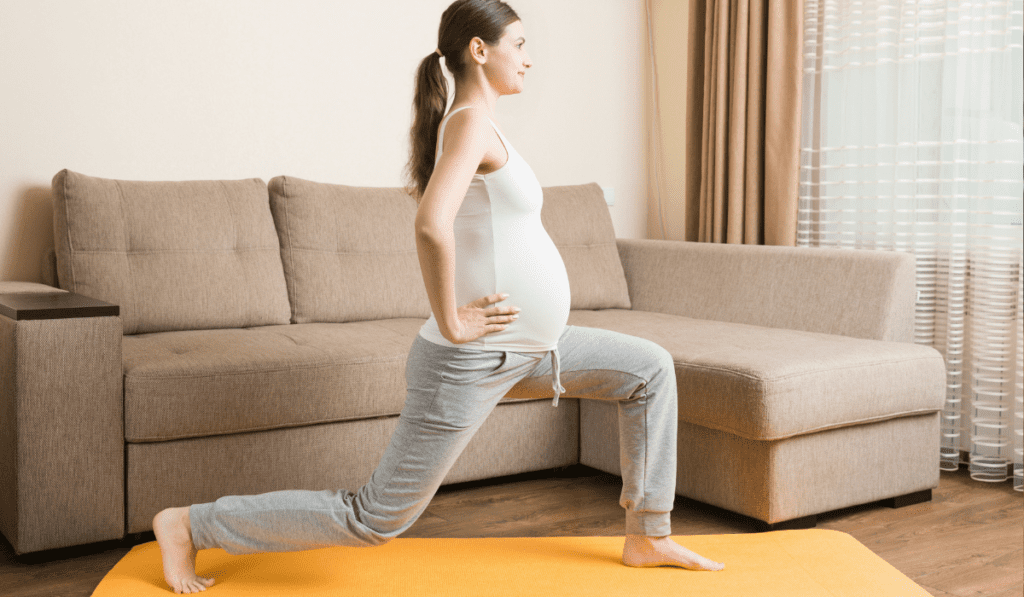
- Simple circuits of walking on the spot, squats to a chair, wall push-ups, and gentle stretches.
- Short yoga or Pilates sessions focused on alignment, pelvic floor, and breathing.
The beauty of home workouts is that you can pause, modify, or stop whenever you need to without feeling self-conscious.
When To Stop and Call Your Doctor
While exercise is beneficial, it’s important to watch for warning signs. Stop immediately and contact your healthcare provider if you experience:
- Dizziness, faintness, or chest pain.
- Sudden shortness of breath that doesn’t ease when you stop.
- Vaginal bleeding or fluid leakage.
- Painful contractions that don’t settle with rest.
- Sharp abdominal or pelvic pain.
You know your body better than anyone. If something feels off, slow down and check in with a professional. Read about ‘Eating Well During Pregnancy‘.
The Bottom Line: Move With Kindness, Not Pressure
Fitness during pregnancy isn’t about perfection or pushing your limits; it’s about caring for your body in a season of massive change. Even a 20–30 minute walk most days can make a meaningful difference to how you feel, how you birth, and how you recover.
With your doctor’s guidance, choose activities you actually enjoy, keep them moderate, and give yourself permission to rest on the days you’re exhausted. You’re not just working out – you’re preparing both your body and your mind for the incredible journey of bringing a new life into the world.