The Importance of Early Diagnosis in Kidney Stones
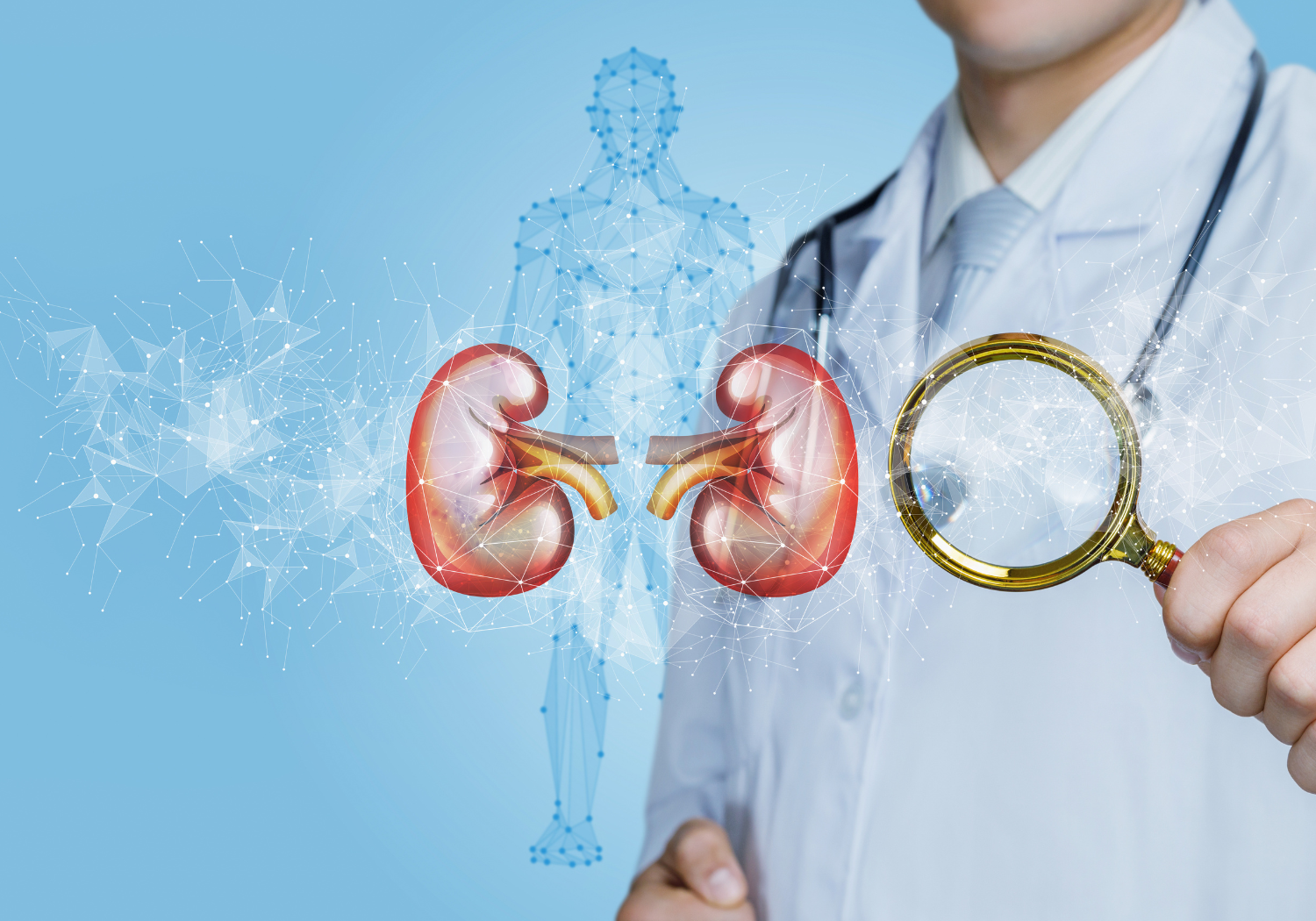
To avoid the pain brought by the development of kidney stones and their risks to your health, it is crucial to prioritize early diagnosis in kidney stones once you suspect any issue. The following are some steps to help you seek early diagnosis and treatment for kidney stones:
1. Go to a specialist
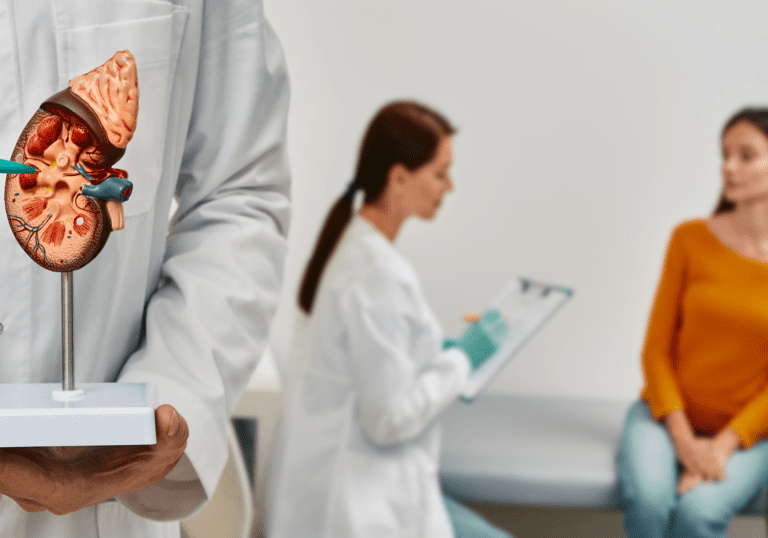
If you think that you are suffering from it, the first thing that you need to know is to consult a kidney specialist. He or she should administer a diagnosis for kidney stones. Usually, the doctor will make a diagnosis of kidney stones using an assessment of the person’s clinical history. Here, he or she will ask a couple of questions that involve the person’s lifestyle, diet, fluid intake, past experience with kidney stones, and if there is a possible family history of kidney stones.
This is very effective in the initial assessment of kidney stones in a person because it provides the doctor with information on what caused the stone formation. From here, the specialist can make a hypothesis or an “educated guess” and will refer you to undergo the needed medical procedures.
2. Undergo a thorough physical examination exam
Another effective means of diagnosing kidney stones is a thorough physical examination. Here, the specialist will run a series of physical tests that can help him or her determine conditions, which can put an individual at higher risk for kidney stone formation. Through a thorough physical examination, the doctor can discover risks such as specific diseases and medical conditions, certain injuries, recent immobilization, and abdominal scars that might be effects of any previous medical procedure or surgery.
3. Opt for a laboratory study of your blood and urine
This is also another effective means of diagnosing kidney stones. During a laboratory evaluation, the person’s blood and urine samples will undergo thorough observation and studies. Collecting a sample of urine to be analyzed is called “urinalysis”. Urinalysis is one of the simplest tests to detect the presence of blood and bacteria present in the urine.
This is also done by the specialist or the attending assistant to accurately measure the levels and amount of calcium—which is the primary component of common kidney stones—electrolytes, and uric acid as well as the other components in the samples. Aside from the acidity of the person’s urine, other components in the blood are also paid attention to ensure that there will be no further complications.
Other significant laboratory tests include blood tests for “creatinine” which evaluates the proper function of the kidney, the “BUN” and “electrolytes” which is used to detect levels of dehydration, “calcium” which is done to detect hyperparathyroidism, and complete “blood count” which is primarily done to detect any infection in the person’s system. During the laboratory evaluation, the kidney stone sample is also collected to analyze and determine what type of stone it is. Knowing the type of kidney stone is important so the physician can plot the appropriate treatment for it as soon as possible.
4. Follow up the diagnosis with an X-ray
Kidney stones can also be diagnosed through a possible follow-up with an X-ray evaluation. Here, the specialist or the assistant will use X-rays to identify the location of the kidney stone. Through x-rays, the size of stones and their number can be seen.
It may also help the doctor to identify which type of kidney stones is present in the person’s kidney.

Are You Prone to Kidney Stones?
Those people who are prone to kidney stones must familiarize themselves with the different types as early as possible so they know what to adjust. Aside from setting lifestyle changes, knowing what type of kidney stones develop in the body is also important because it will help you do the things that will prevent their existence in your body system.
Many people are not aware of it but there are actually different types of kidney stones that some individuals suffer from. Among those types, the most common that most people develop is called “calcium oxalate stone.” While others are called “struvite stones,” “uric acid stones,” and “cystine stones.” These types vary depending on what causes them and their characteristics.
Medical alerts for kidney stones
To be able to address the condition properly, it is a must for people who are prone to having kidney stones to familiarize themselves with the condition. In order to determine if one is suffering from kidney stones, here are some medical alerts or symptoms to be noted:
Pain in varying levels
As vague as it is, pain in varying levels is one of the major medical alerts of kidney stones. Considered as a common symptom for kidney stones, pain may vary depending on the size of the kidney stone and the length of time that it remains undiagnosed. Experts say that pain—which can be mild or extreme—is normal for people who suffer from kidney stones.
This is because as the stone increases in size and weight, the more discomfort it brings especially during urination. Another form of pain that can be experienced due to kidney stones is renal colic, which brings waves of severe pain that lasts for more than 10 minutes and can even last for an hour depending on the location of the kidney stone.
The presence of blood in the urine or the condition called “hematuria“
The presence of blood in the urine is quite disturbing but this is one of the most common medical alerts of kidney stones. Immediate diagnosis is a must.
Most people don’t know it but almost 50 percent of the people who suffer from kidney stones will likely have them again in the next 10 years or so. This is because many of the sufferers do not continue medication and they stop maintaining a healthy diet and lifestyle.
People who are likely to suffer from kidney stones can go to any hospital’s Emergency Room or “ER”. Here, you can ask the attending physician or the hospital clerk on duty to undergo testing. It is advantageous for you to go straight to the ER because hospital people will attend to you directly. In most cases, it would take a long time before one can actually set up a checkup with a specialist. So it would be best if you go directly to the ER and get the prompt attention that you need.
Diagnosis can be done through an assessment of the person’s clinical history, a physical examination, laboratory evaluation, and an x-ray for follow-up. Having an early diagnosis can definitely help you determine which type of kidney stone is present and would lead to faster and more reliable treatments.
Once you feel pain to a different extent, along with nausea or vomiting, pain with urination, and at times, the urgent need to urinate which are usually characterized among children and adults, then you should have yourself checked by the doctor because you might be suffering from kidney stones.