Chronic Bad Breath Explained
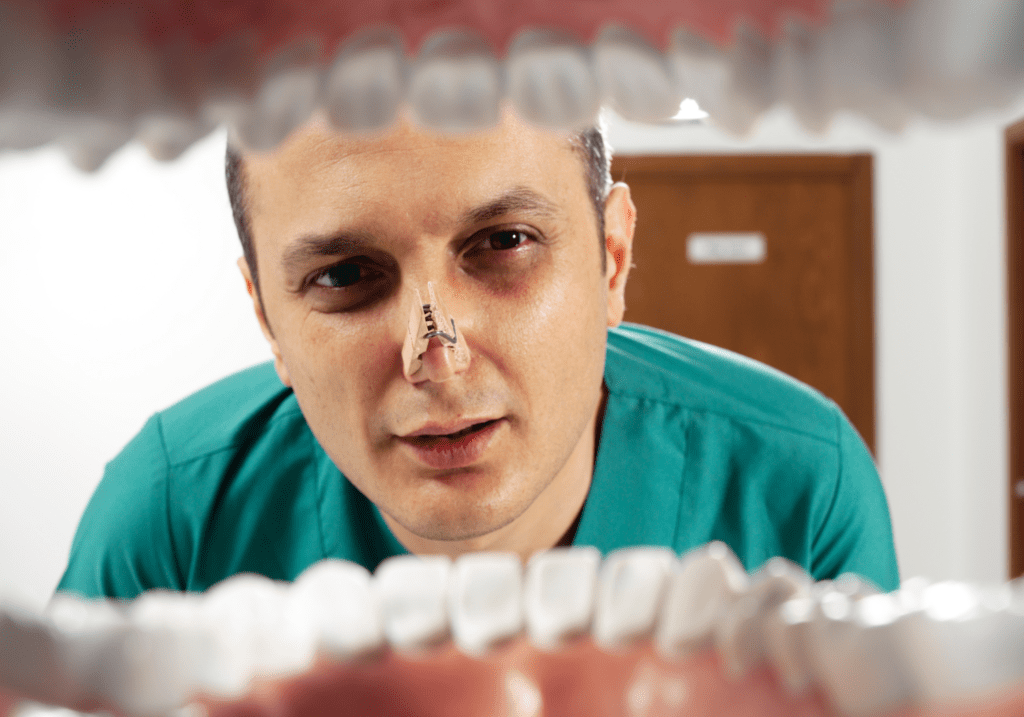
Chronic bad breath is a health condition that is characterized by prolonged odorous breath. This is often caused by periodontal diseases. The onset of these diseases is triggered by the foods you eat, the liquid you drink, or anything you put in your mouth that can potentially cause bad breath like tobacco products. Bad breath also happens when you miss cleaning your teeth before you go to bed or simply, do not clean your teeth and tongue as you should.
Since bad breath-causing bacteria often harbor a dirty mouth, people who put less care on their oral hygiene are often the carriers of this health condition. This concludes that one of the major reasons why people have chronic bad breath is because they have poor oral hygiene.
How does poor oral hygiene instigate the onset of bad breath?
Poor oral hygiene means that you are not cleaning your mouth as often as you should.
We emphasize the word “mouth” since there is the common notion that bad breath starts from dirty teeth. As was mentioned, bad breath is caused by bacteria harboring in dry mouth. The distinct bad breath odor is caused by VSCs or volatile sulfur compounds. VSCs are produced when anaerobic bacteria breeding on the surface of the tongue, in between teeth, and the spaces of the tongue break down sugar and protein that are actually
This is the reason why the whole mouth should be cleaned not only the teeth.
Dentists require you to brush your teeth at least 2 times a day, using dental floss or other type of inter-dental brush at least once a day, and an oral antiseptic with a safe level of alcohol content. A regular visit to the dentist would also keep your dentures healthy.
Other reasons why people suffer from chronic bad breath are regular intake of food, drinks, and products that either degrade the quality of the air you breathe or help produce more bacteria inside your mouth.
One example is dairy products. At first, you can argue that dairy products are rich in protein. But this is where the problem starts. Bacteria in the mouth break down protein to produce VSCs. And the more protein in your mouth, the more VSCs created. It should be clear though that you are not discouraged from eating or drinking dairy products but if you have chronic bad breath, try to lessen your intake or better yet, clean your mouth immediately after eating or drinking any dairy product.
Coffee is another liquid that can contribute to chronic bad breath. This is because coffee contains acid that reduces the oxygenation of the mouth. This results in an increase in the production of bacteria.
Sugar-based products also provide bacteria to produce VSCs.
Several spices such as garlic and onion contain pungent oil that when digested, is mixed through the bloodstream and expelled by the lungs and through the mouth creating a nasty-smelling breath.
Using alcohol-based mouthwash often brings more bad results than good. Since alcohol causes the mouth to try, and bacteria thrive on the mouth, VSCs can easily breed and cause chronic bad breath.
Why is it important to know these things?
Understanding the root causes behind a persistent issue like chronic bad breath is pivotal in charting an effective course toward resolution. Delving into the origins and triggers of this condition not only enlightens but empowers individuals to tackle it. By comprehending the diverse factors contributing to halitosis, whether it’s poor oral hygiene, dietary choices, underlying health conditions, or certain medications, one gains a clearer roadmap toward addressing and alleviating this concern. Armed with this knowledge, you’re better equipped to adopt targeted strategies and make informed lifestyle adjustments, thereby significantly improving your chances of overcoming chronic bad breath and achieving long-lasting freshness in your oral health.