Cholesterol Test at Home: The Simple Step That Could Save Your Life
Most people assume that serious health problems come with warning signs, but high cholesterol is different. It builds quietly, often without any symptoms, until it leads to something far more serious. That’s why taking action early matters, and one of the easiest ways to do that today is through a cholesterol test at home. Instead of waiting for a doctor’s visit or putting it off entirely, you now have a simple, accessible way to understand what’s happening inside your body. This small step can give you clarity, control, and the chance to make changes before your health is at risk.
Doctors often remind their patients to come in once a year to undergo a cholesterol test. Many of us just smile and nod, while some do intend to have the test done yearly. But most people either forget or purposely avoid it because they don’t see what the big deal is about having their cholesterol levels checked.
The reality is simple: what you don’t see can hurt you.
High cholesterol doesn’t usually come with obvious symptoms. You won’t feel pain. You won’t feel “off.” Everything can seem completely normal… until it’s not. That’s why this test matters more than most people think.
So why is this test so important? Because it can help you prevent heart attacks, strokes, and other serious cardiovascular problems. More importantly, it gives you early awareness. It tells you whether your current habits are helping or quietly harming your future.
And that’s where real control begins.
Understanding What Cholesterol Really Is
Before you can take action, you need to understand what you’re dealing with.
Cholesterol is not the enemy. Your body actually needs it to build cells, produce hormones, and support overall function. The problem comes when there’s too much of the wrong type.
There are two main types to pay attention to:
- LDL (Low-Density Lipoprotein) – often called “bad cholesterol.” This is what builds up in your arteries and increases your risk of heart disease.
- HDL (High-Density Lipoprotein) – known as “good cholesterol.” This helps remove excess cholesterol from your bloodstream.
When LDL is high and HDL is low, that’s when the risk starts creeping up.
The challenge? You won’t feel this imbalance happening.
Home Testing Kits Available
One of the most common excuses people give for not getting tested is inconvenience. Busy schedule. Long lines. No time for clinic visits.
That excuse doesn’t really hold up anymore.
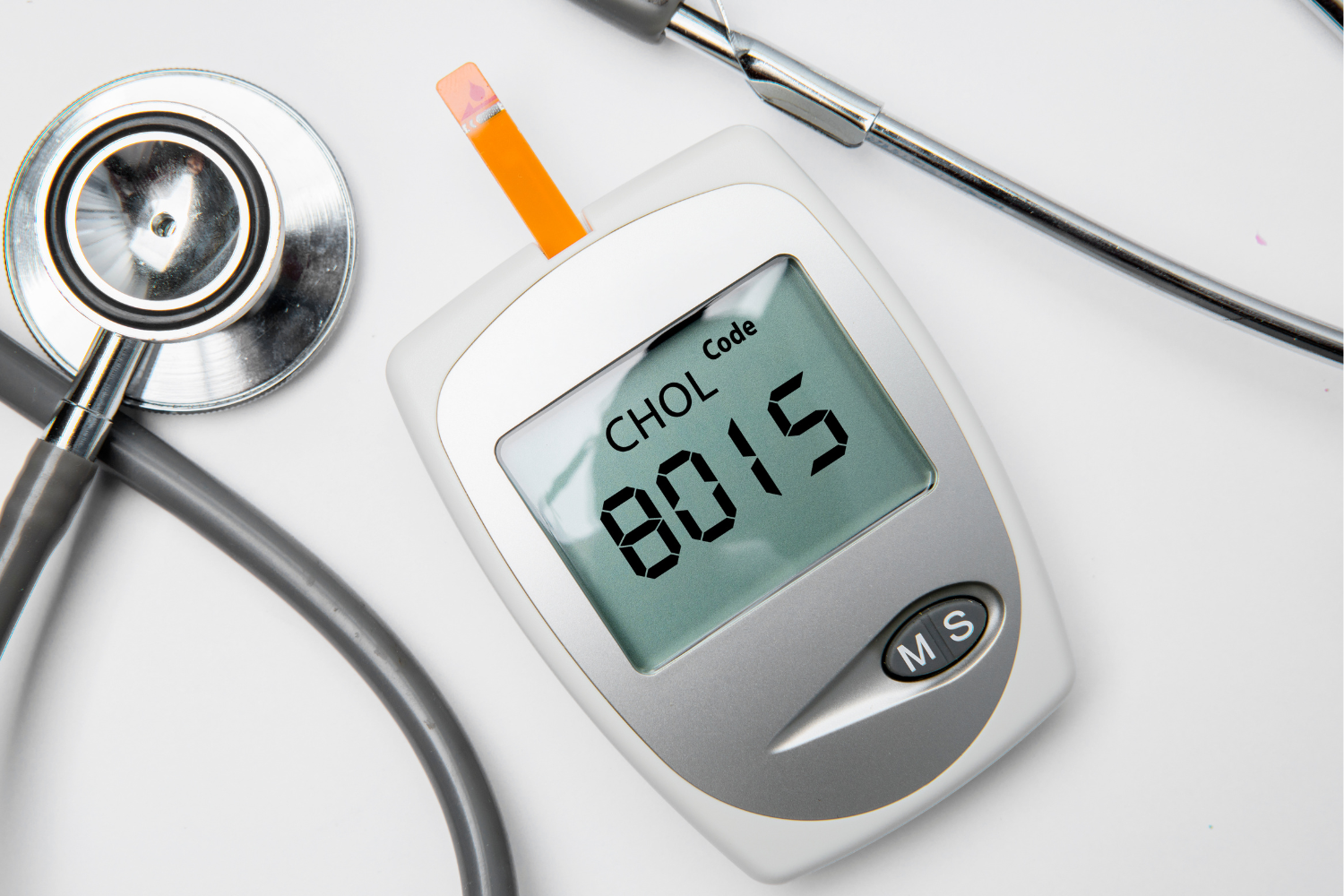
Today, you can perform a cholesterol test right at home using simple testing kits available in pharmacies. These kits are affordable, easy to use, and designed for everyday people, not medical professionals.
Most kits only require a small finger prick. Within minutes, you can get a reading that gives you a general idea of where you stand.
Are they perfect? No. But they’re more than enough to flag potential issues early.
There’s also another option for people who want more detailed results without going to a clinic. Many pathology labs now offer home testing services. You collect a small blood sample using a kit they provide, send it back, and receive a full report within a few days.
This gives you deeper insights like:
- Total cholesterol
- LDL and HDL breakdown
- Triglyceride levels
It’s convenient, relatively quick, and removes the friction that stops most people from taking action.
Why People Still Avoid Testing

Even with all these options, many people still delay or ignore testing.
Let’s be honest about why.
- Fear of bad results – People would rather not know than face reality
- False sense of health – “I feel fine, so I must be fine”
- Lack of urgency – No immediate symptoms means no pressure to act
- Overwhelm – Health feels complicated, so it gets pushed aside
But avoidance doesn’t protect you. It just delays the moment you’re forced to deal with it, often when the stakes are much higher. Read about how to improve yourself.
Consequences of Inaction
Now that testing is accessible, there’s no solid reason to keep putting it off.
When cholesterol levels stay high over time, it leads to plaque buildup in your arteries. This narrows blood flow and increases pressure on your heart.
Over time, this can result in:
- Heart attacks
- Strokes
- High blood pressure
- Reduced blood circulation
- Long-term organ damage
And here’s the part most people underestimate: these issues don’t appear overnight.
They build slowly, silently, over years.
By the time symptoms show up, the damage is often already advanced.
Ignoring a potential health problem doesn’t make it disappear. It usually makes it worse.
The Link Between Lifestyle and Cholesterol
Your cholesterol levels are heavily influenced by your daily habits.
This is where your self-help audience should pay attention, because this is the part you can control.
Key factors include:
1. Diet
Highly processed foods, trans fats, and excessive sugar can increase LDL levels. On the other hand, whole foods, healthy fats, and fiber help improve cholesterol balance.
2. Physical Activity
Regular movement helps raise HDL (good cholesterol) and lower LDL. Even simple habits like walking daily can make a difference.
3. Weight Management
Excess weight often correlates with higher cholesterol levels.
4. Smoking
Smoking lowers HDL and damages blood vessels, making cholesterol buildup worse.
5. Stress
Chronic stress can indirectly affect cholesterol through poor eating habits, lack of sleep, and hormonal imbalance.
This isn’t about perfection. It’s about awareness and gradual improvement.
Small Changes That Make a Big Difference
You don’t need a complete life overhaul to improve your cholesterol.
Start with simple, realistic steps:
- Swap fried food for grilled or baked options
- Add more vegetables and fiber-rich foods to your meals
- Walk for 20–30 minutes a day
- Drink more water, reduce sugary drinks
- Get consistent sleep
- Manage stress through simple habits like journaling or quiet time
These aren’t complicated strategies. But done consistently, they compound.
Turning Awareness Into Action
Getting tested is just the first step. What matters is what you do next.
If your levels are within a healthy range, that’s great. It means your current habits are working. Stay consistent.
If your levels are slightly high, don’t panic. This is where lifestyle adjustments can make a huge impact.
If your levels are significantly high, that’s when professional guidance becomes important. A doctor may recommend medication alongside lifestyle changes.
Either way, the goal is the same: take control early, not later.
The Role of Responsibility in Health

This is where your message becomes more than just medical advice. It becomes personal responsibility.
No one else is going to manage your health for you.
Not your doctor. Not your family. Not your workplace.
You are the one living in your body every day. You are the one making daily choices that either support or harm your future.
Technology has made it easier than ever to monitor your health. Information is accessible. Tools are available.
The only missing piece, for most people, is action.
A Long-Term Perspective
Think beyond today.
Your current habits are shaping your future self. The choices you make now determine your energy, mobility, and quality of life years from now.
High cholesterol isn’t just a number. It’s a signal.
It’s your body telling you something needs attention.
Ignoring that signal doesn’t stop the process. It just removes your chance to correct it early.
Final Thoughts
Home testing kits for cholesterol have been around since the early 1990s, but only recently have people started taking full advantage of them.
You now have options that previous generations didn’t.
You can test from home. You can track your numbers. You can adjust your lifestyle based on real data.
So the question isn’t whether you can take control of your health.
It’s whether you will.
Don’t wait for symptoms to force your hand.
Get tested. Understand your numbers. Make small changes. Stay consistent.
Because the earlier you act, the easier it is to protect your future.
And when it comes to your health, waiting is the most expensive decision you can make.