Eating Well During Pregnancy: A Practical Guide For Real Life
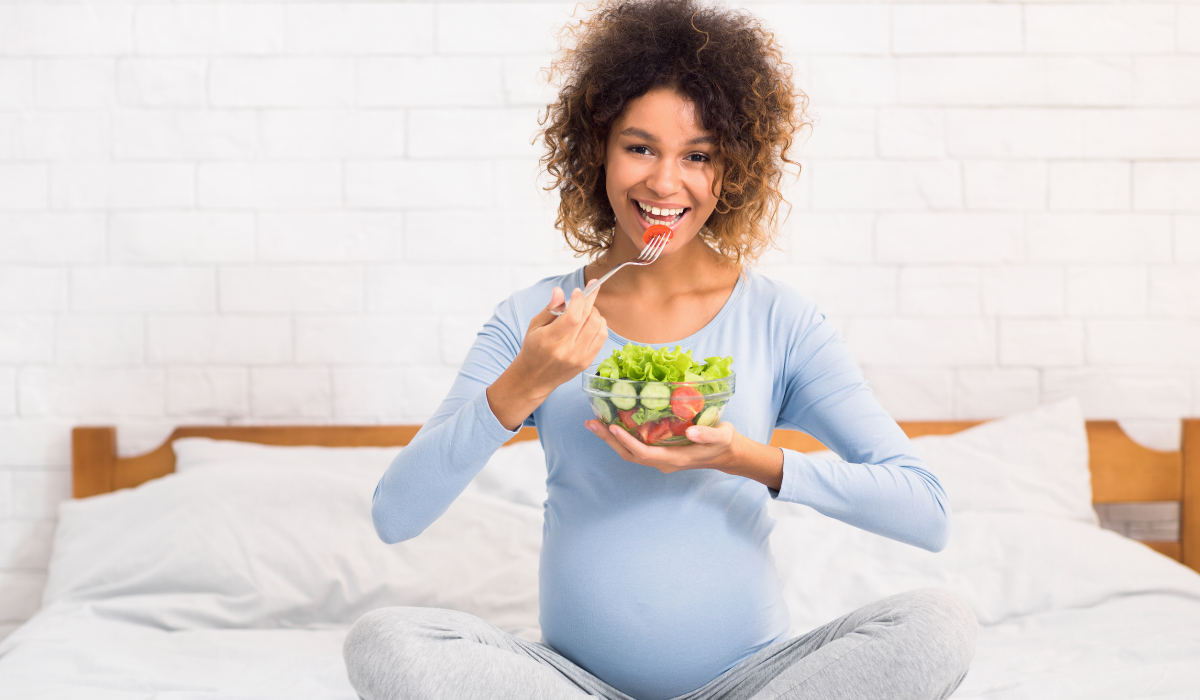
Pregnancy is an exciting time, but it can also be overwhelming when you start thinking about what you “should” and “shouldn’t” eat. Between morning sickness, cravings, and conflicting advice, it’s easy to feel confused about what a healthy pregnancy diet actually looks like.
The good news: you don’t need a perfect diet to nourish your baby. Small, consistent choices add up, and there’s plenty of room for treats and flexibility along the way.
Why What You Eat Matters
Eating well during pregnancy helps lay the foundation for your baby’s growth and development.
- Your baby’s bones, organs, and brain are built from the nutrients in your food, especially protein, calcium, iron, and key vitamins.
- A balanced diet supports your own energy levels, immune system, and ability to cope with the physical demands of pregnancy.
- Some of the flavours you eat can even reach your baby through the amniotic fluid, which may help them become more open to fruits and vegetables later on.
Think of every meal as an opportunity to gently support both you and your baby, without aiming for perfection.
The ABCs of Eating Well When Pregnant
A simple way to remember how to eat during pregnancy is to think of the ABCs: Assortment, Balance, and Colour.
Assortment: Mix It Up
Variety really is the spice of life – and of a healthy pregnancy diet.
Aim to include different foods from these groups most days:
- Fruits and vegetables (fresh, frozen, or tinned in water/juice).
- Whole grains (wholemeal bread, oats, brown rice, wholegrain pasta).
- Lean proteins (beans, lentils, eggs, lean meat, poultry, fish that’s safe in pregnancy).
- Dairy or calcium-fortified alternatives (milk, yoghurt, cheese, fortified plant milks).
A varied diet helps you avoid getting too much of one nutrient and not enough of another.
Balance: Nourish First, Treat Second
Balance and moderation are key. Pregnancy is not the time to “diet”, but it’s also not a free pass to eat unlimited junk food.
- Focus on mostly whole, minimally processed foods, then layer treats on top.
- Listen to your hunger and fullness cues; you’re not “eating for two adults”, you simply need a bit more energy than usual.
- If you’re gaining weight very slowly, try eating small, frequent meals and adding healthy fats like avocado, nuts, seeds, or olive oil.
Cravings are normal. Enjoy the ice cream or the chips sometimes – just aim for a bowl, not the entire container or family-sized bag.
Colour: Fill Your Plate With Colour
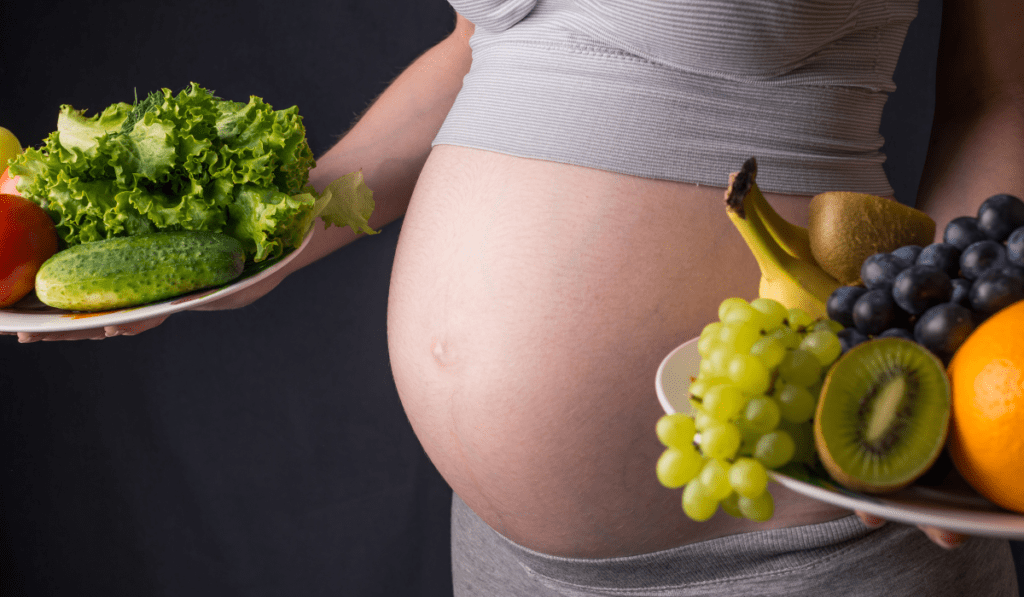
A colourful plate is usually a nutrient-dense plate.
- Think reds (tomatoes, strawberries), oranges (carrots, pumpkin), greens (spinach, broccoli), yellows (squash, capsicum), and purples (beetroot, berries).
- Use fruit and veggies to “paint” your meals – colourful salads, stir-fries, fruit salads, roasted vegetable trays.
Those bright colours often signal antioxidants, vitamins, and minerals that support both you and your baby.
Key Nutrients To Focus On
Calories: How Much Is Enough?
On average, pregnant women need roughly a few hundred extra calories per day, especially in the second and third trimester.
Instead of counting every calorie, use this guideline:
- Eat when you’re hungry and choose nutrient-rich foods most of the time.
- If nausea makes big meals hard, try small snacks every few hours to avoid dehydration and malnutrition in the first trimester.
Calcium: Building Strong Bones and Teeth
Calcium is essential for your baby’s bones and teeth, and for protecting your own bone health.
- Aim for several calcium-rich servings each day from milk, yoghurt, cheese, or calcium-fortified plant milks and juices.
- Your healthcare provider may recommend a specific calcium target and can advise whether you need a supplement.
Fibre: Keeping Things Moving
Constipation is very common in pregnancy, and fibre is a gentle, natural helper.
Include:
- Whole grains (oats, brown rice, wholemeal bread).
- Fruit and vegetables with skins where appropriate.
- Legumes (beans, lentils, chickpeas).
Drink plenty of water as you increase fibre. Some fibre supplements are considered safe in pregnancy, but always check with your healthcare provider first.
Protein: Building Blocks for Baby
Most women who eat a varied diet get enough protein without much effort.
Good sources include lean meats, poultry, fish that’s safe in pregnancy, eggs, dairy, beans, nuts, seeds, and soy products.
If you’re vegetarian or vegan, your provider or a dietitian can help you plan enough plant-based protein for each day.
Iron and Folate: Blood and Brain Support
Iron supports healthy blood and helps prevent fatigue, while folate (or folic acid in supplements) helps lower the risk of certain birth defects.
- Iron-rich foods include lean red meat, poultry, legumes, and dark leafy greens.
- Many women start pregnancy with low iron stores, so your provider may recommend an iron supplement; they can also help you manage side effects like constipation if they occur.
- Folate is found in leafy greens, beans, and fortified foods, but most women are advised to take a prenatal vitamin with folic acid before and during pregnancy.
Always discuss supplements with your doctor or midwife rather than self-prescribing.
Coping With Nausea, Aversions, and Cravings
The first trimester can make “eating healthy” feel impossible, especially if you’re constantly nauseous or repulsed by foods you used to love.
Try these ideas:
- Eat small, frequent snacks instead of big meals.
- Keep simple, bland foods on hand (crackers, toast, plain rice, bananas).
- Sip fluids regularly to prevent dehydration, especially if you’re vomiting.
- If a formerly favourite food suddenly makes you queasy, experiment with new options – pregnancy is often a time when tastes change dramatically.
If you can only manage what you might think of as “beige” foods for a while, do your best and remember this phase usually passes. When you feel better, you can gradually add more variety and colour back in.
Supplements and Ingredients To Approach With Caution
Prenatal vitamins are a valuable safety net, but more is not always better when it comes to additional supplements and certain drink ingredients.
Always speak with your healthcare provider before taking herbs or non-prescribed supplements in pregnancy. Some that have raised concerns in research include:
- Quinine: Found in tonic water and some bitter drinks, quinine has been associated with withdrawal-like symptoms in a baby whose mother drank large amounts daily during pregnancy. Some authorities advise pregnant women to treat quinine-containing drinks as medicinal and avoid them as a precaution.
- Ginseng: Research on animals suggests that certain components of ginseng could affect early fetal development at higher doses. As a precaution, many experts recommend avoiding ginseng supplements, particularly in the first trimester, and often throughout pregnancy.
- Ginkgo biloba: One of its constituents, colchicine, can accumulate in the womb and is known to be harmful in high doses. Some researchers have detected this compound in the placenta of women who used ginkgo, so it’s generally advised to avoid ginkgo supplements during pregnancy.
These studies are not definitive, but they do suggest that it’s wiser to be conservative and avoid these supplements unless your healthcare provider specifically advises otherwise. Read article about ‘Treating Heartburn in Pregnancy’.
Let Go of “Perfect” and Enjoy Your Food
Perhaps the most important mindset shift in pregnancy nutrition is letting go of perfection.
- Pregnancy is one of the few times in life when gaining weight is expected and healthy; trying to restrict or diet can put both you and your baby at risk.
- You’ll have plenty of time after birth to focus on weight loss if you choose. For now, the goal is steady nourishment, not strict control.
- Keep meals interesting and enjoyable so you don’t get bored – try new recipes, different cuisines, fun dips for veggies, and fresh combinations of fruit and grains.
- When you do have a treat, leave the guilt at the door. You’re growing a whole human – you deserve some joy along the way.
If you’re ever unsure about your diet, supplements, or weight gain, check in with your doctor, midwife, or a qualified dietitian. They can tailor recommendations to your unique body, medical history, and pregnancy.