
How to Set Personal Boundaries for a Healthy Life: 7 Simple Strategies to Protect Your Peace
Setting healthy limits isn’t selfish—it’s essential for your well-being. Learning how to set personal boundaries for a healthy life is one of the most empowering steps you can take toward protecting your peace, improving your relationships, and strengthening your sense of self. Boundaries act as invisible lines that define what you will and won’t accept, helping you create balance in every area of your life. When you know where to draw those lines, you gain clarity, confidence, and the freedom to focus on what truly matters—your happiness and emotional health.
What are Personal Boundaries and Why We Need Them

You’ve probably heard the phrase before, but maybe you’re unsure what it means. Just what ARE personal boundaries, and what difference do they make in your life?
To understand a personal boundary, you have to understand what a boundary is. Let’s start at the dictionary and go from there:
bound·a·ry (noun)
a line that marks the limits of an area; a dividing line.
Most boundaries are pretty easy to see. The world is full of fences and dividers, clearly marking off space. A personal boundary does the same thing – only on a more invisible and internal level. Let’s look at this on a little closer.
What are boundaries?
1. A boundary tells you what your responsibility is in a given situation. You already have some boundaries at work or school. These are the parameters of your job or your responsibility as a student and usually are marked out pretty clearly when you took the job or where enrolled. On a personal level, a boundary tells you who you’re responsible for (yourself of course, but you might also be a caregiver). But what about your other responsibilities such as paying your bills, or taking care of your pets?
2. A boundary keeps you safe. Many of these should go without saying – such as abstaining from drinking and driving. But sometimes you have to set some such boundaries for yourself. Such as whether or not it’s healthy to be in a relationship with a certain individual.
3. A boundary tells us who we are. Are you a good person? A bad person? A selfish person? A pious one? Our moral code becomes the boundary that defines us.
4. A boundary clarifies your needs. What things need to be in place in your life for you to be happiest and healthiest? What protects you for overwork or abuse?
5. A boundary defines your relationships. What are the parameters of your relationship? Is that healthy? What is your responsibility to that other person? How are they responsible for you?
With all that, it makes sense that having strong boundaries is a good idea. Especially when you take into consideration these facts:
Boundaries…
…give you a better idea of who you are
…help others to understand your needs
…give guidelines in your relationships
…make for healthy interactions with other people
And perhaps most important of all, they are an integral part of self-care.
As a side note remember this: Boundaries need to be revisited occasionally and re-evaluated. As we grow and change, our boundaries will change as well.
With all this at stake, it’s no wonder we give boundaries such a lot of attention. Boundaries can mean the difference between a happy and healthy life and a life of drudgery and resentment.
Is it time to learn where to draw the line?
5 Strategies for Guarding Your Personal Boundaries
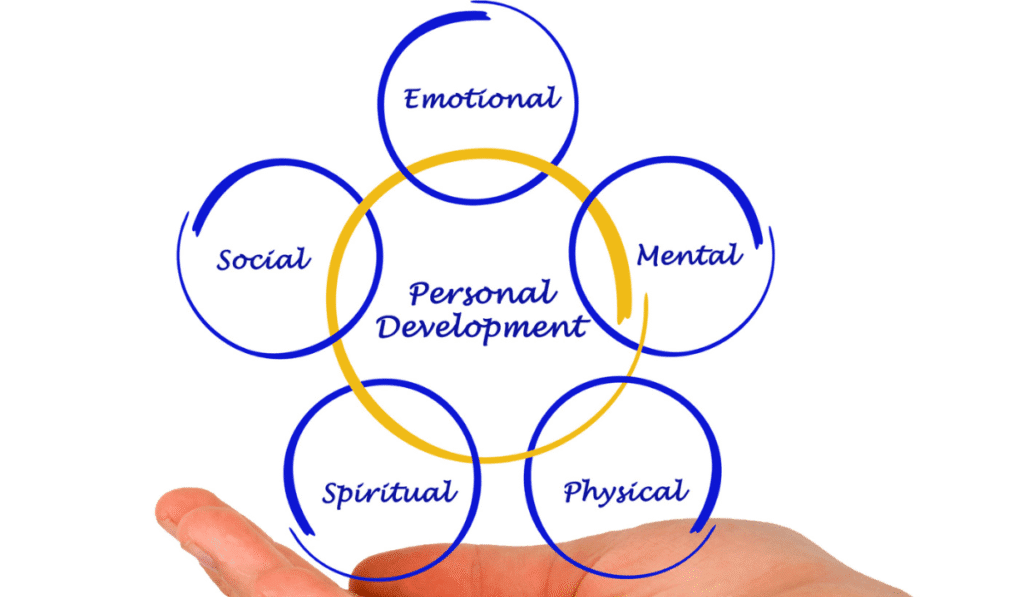
Imagine an invisible fence set around yourself, with a single gate that is shut and locked, with only you in possession of the key. How does that make you feel?
When we have good personal boundaries, then we’ve set a space around us that we control. We tell those around us they can go only so far, and no further. Not that we’re alone, but it’s up to us to open the gate, and we get to decide who comes in.
The problem is, the world has a way of pushing against that fence. There will always be people who want more of your time, more of your energy. More of you. Thankfully there are things you can do to guard those boundaries and keep them strong.
1. Identify your limits. It’s impossible to guard what you haven’t even defined. The trick here is to define those limits clearly and succinctly. For example, you might want to protect some time with your family. But a boundary too vague is impossible to protect. But by clarifying the goal down to “Saturday’s are family time” then you know what you’re protecting (time with your family). So, with things that do come up on Saturday which do not involve the family, it’s suddenly not so difficult to say no.
2. Be straightforward. Never let someone push your boundaries without your permission. And when it does happen, take direct and clear action immediately. Anytime your boundaries are threatened, it’s time to open a dialogue with the violator. That gives you the opportunity to verbally reset the boundary in a way that makes it clear to the other person that the boundary is there.
3. Pay attention to your feelings. If you’re feeling like someone is violating your boundaries, ask yourself why. Go with your gut instinct here as you analyze your emotions. It’s very likely that what you’re sensing is a boundary violation that you need to address.
4. Speak up. When you feel like your boundaries are being violated, you need to say something. After all, the best guard challenges all intruders. Being assertive now will save you a lot of heartache and problems down the road later.
5. Remind yourself that you have a right to set boundaries. Sometimes our boundaries have grown weak because we don’t feel like we have a right to set them in the first place. Permitting yourself to set the boundary will immediately strengthen it again. Read about Personal Health.
Guarding your boundaries is an important part of living a life that’s not only healthy and happy but meaningful. Self-confident, strong people have solid boundaries that they protect. Protecting your boundaries is probably one of the most effective tools you have toward realizing a happy and productive life.
7 Reasons Why You Don’t Set Boundaries and How to Start
You’ve gotten roped into staying late at work. Again. Or you’ve committed to something that you didn’t want to but felt you had to. Now you’re beating yourself up because you know you should have better boundaries, but you don’t seem to understand how to form them. What do you do?
First, you need to realize that having problems setting boundaries is normal. We have a lot of reasons why we don’t like setting boundaries:
1. Fear. The number one reason we don’t do anything is generally fear. When you don’t know what the outcome is going to be when you first set that boundary, it’s bound to be terrifying.
2. It would be selfish. After all, why should your needs come before anyone else’s?
3. Taking care of yourself is unusual. This point is an extension of the last one. Not only is self-care selfish, but it would take time and resources from caring for others. Forgetting of course, that we can’t take care of anyone if we don’t take care of ourselves first.
4. Someone’s going to get mad at you. Which of course will lead to conflict and maybe even a confrontation. You might find yourself thinking that setting a boundary in these situations is just not worth it.
5. Doing it the other way is a habit. It might be that you’re used to being asked to stay late at work – every day. Now it’s a habit to stay. The problem is, habits are hard to break, which means setting that boundary doesn’t just involve putting your foot down but changing an entire way of thinking.
6. There’s a price to pay for saying ‘no.’ If other people trample over your needs to get their own needs met, then when you do say no, you know there’s going to be a negative repercussion. And who needs that kind of commotion in your life?
7. It’s not all that important anyway. Is it? That has more to do with self-esteem than anything. And yes, your boundaries are just that important.
So how do you go about setting boundaries when that’s unusual for you?
· Start by asking for what you want – and be specific.
· Be open to compromise.
· Have an exit strategy if they say ‘no.’ What will you accept?
· Be ready emotionally for a negative response. Not everything will be a ‘yes.’
· Don’t take rejection personally.
Boundaries don’t have to be terrifying. Understanding why you don’t set them is the first step toward establishing positive change. When you use what you know to set solid boundaries for yourself, you will discover peace and happiness that you never knew was even possible.
Similar Posts
The Benefits of Being Kind to Others (And How It Boosts Your Happiness)
Discover the benefits of being kind to others and how simple acts of kindness can boost your happiness, reduce stress, and improve your mental well-being.
How Self-Reflection Builds Resilience: 7 Ways to Strengthen Your Inner Strength
Discover how self-reflection builds resilience and learn 7 powerful ways to strengthen your mindset, boost confidence, and thrive through life’s challenges.
6 Incredible Benefits of Smiling More and How It Can Change Your Life
Smiling might seem like a small act, but it has a surprisingly big impact on your overall well-being. From boosting your mood to strengthening relationships, the benefits of smiling more reach far beyond what most people realize. Whether it’s a genuine grin or a simple smile in passing, this everyday gesture can positively influence your…
7 Life-Changing Benefits of Trying Something New (And How to Get Started Today)
Discover the top benefits of trying something new – from boosting confidence to overcoming fear and how small changes can lead to big personal growth.